

Our Presenters
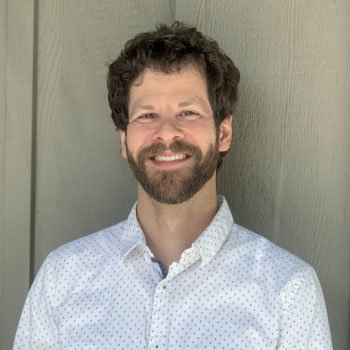
Ryan Bachrach, LCSW
-
Ryan Bachrach, LCSW obtained his Master of Social Work from the University of Pennsylvania. While/after becoming a licensed social worker/clinician, Ryan worked in hospital-settings for five years. Beginning in June 2016, Ryan has been working as a therapist and, since May 2024, as a Clinical Director, at Black Mountain Academy, a therapeutic boarding school that specializes in working with neurologically diverse high school students who have autism and/or similar presentations and various comorbidities. Ryan's extensive clinical experience and training includes assessing for autism and numerous other mental health disorders and then providing appropriate treatment.
-
Title: AI-Augmented Social Communication Support for Adolescents on the Autism Spectrum: Evidence, Clinical Implications, and Ethical Considerations
Description: Research on AI-augmented social communication support for adolescents with autism highlight promising clinical benefits and, also, come with important risk considerations. Emerging evidence suggests that AI tools, particularly those using large language models, can improve expressions of empathy, confidence in communication and conversation, and practice and generalization of social skills. Additional studies on AI-based virtual companions show potential for supporting social learning and online safety, including helping adolescents recognize and respond to cyberbullying.
Considering what appear to be benefits, there also appear to be risks. Risk considerations for adolescents with autism using AI-augmented social communication support include reinforcement of social withdrawal if AI interaction replaces human interaction, a reliance on, or trust in, inaccurate or biased AI-generated information, privacy and data-security concerns, and the development of parasocial or overly dependent relationships with chatbots. Additional concerns/risks are related to adolescents using AI for advice (e.g. advice pertaining to one’s mental health), which might exceed the AI’s capabilities, given limitations in detecting nuance, distress, or risk.
Clinically, these findings underscore the need to conceptualize AI as a potentially supportive tool, not a replacement for clinicians. AI, when used, will need clear boundaries, ethical safeguards, and ongoing professional oversight to ensure it enhances, rather than undermines, social development and well-being.
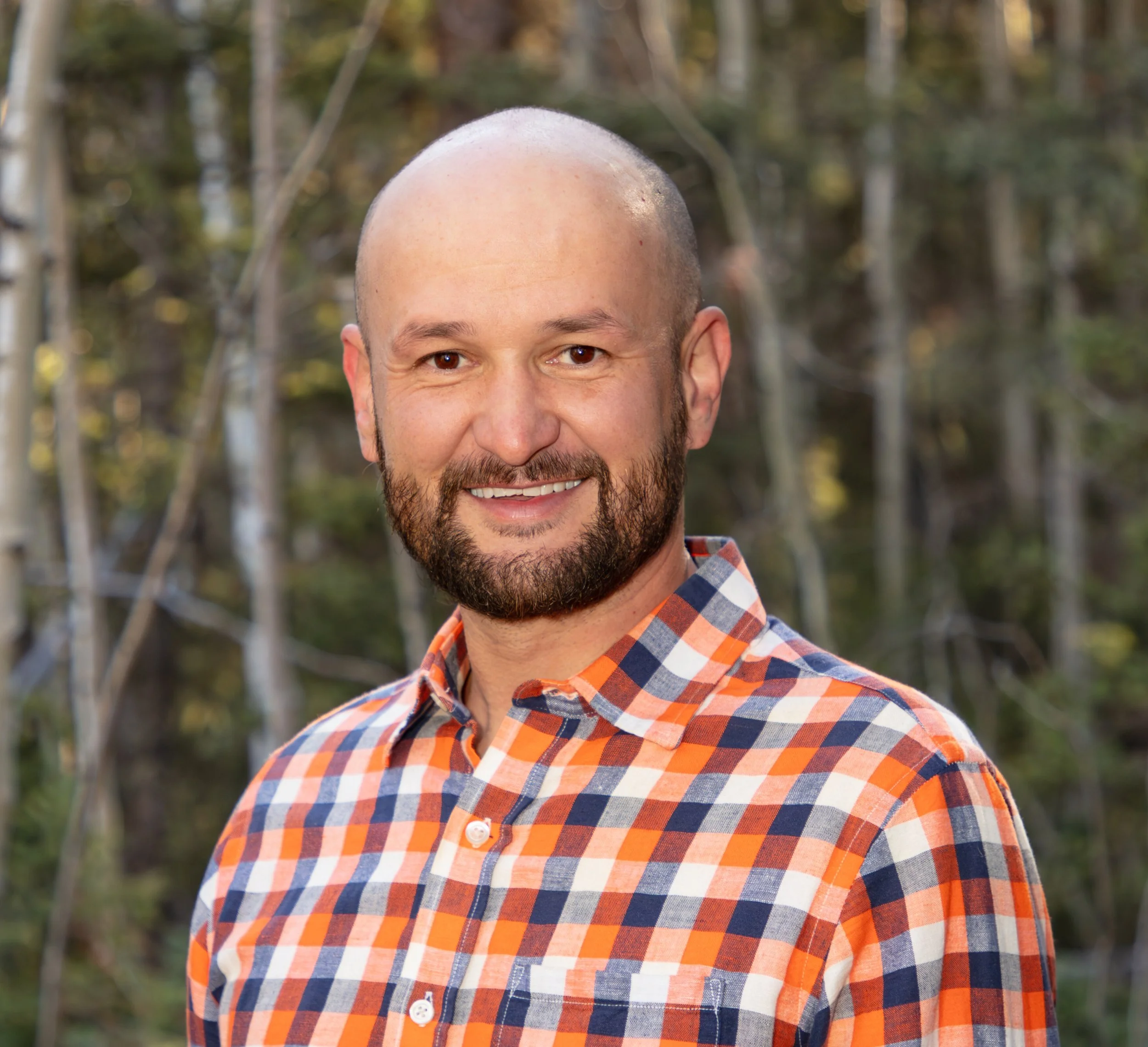
Chris Blankenship, LCSW
-
Chris Blankenship, LCSW, holds a bachelor’s degree in psychology from the University of Colorado and a master’s degree in clinical social work from the University of Southern California. A dedicated autism-informed clinician, Chris has spent his entire adult life supporting young people, families, and neurodivergent individuals and has served as a therapist since 2014.
Chris began his career teaching English in a diverse classroom at an inner-city school in New Orleans, LA. This early experience instilled in him a passion for education and its impact on individuals and families. As a teacher, he developed programs for at-risk students while supporting vulnerable families. After completing graduate school, Chris joined a therapeutic program where he took on a leadership role, developing systems to support autistic teens and young adults, training clinical teams, and advocating for neurodivergent clients.
Chris founded Autism Learning Lab to provide families with trusted resources, coaching tailored to autism-specific challenges, and nature-based retreats in the stunning Colorado mountains. His deep understanding of autism and passion for transformative experiences inspired him to create opportunities that combine education, support, and adventure.
In his free time, Chris enjoys exploring mountains and deserts with his wife and daughter, cooking meals for loved ones, traveling, and cheering for Colorado sports teams.
-
Title: The Mystery of Obsessions and Compulsions: the Intersection of ASD and OCD
Description: Autism Spectrum Disorder (ASD) and Obsessive-Compulsive Disorder (OCD) frequently co-occur, yet clinicians often struggle to distinguish between autistic repetitive behaviors driven by regulation, predictability, and sensory needs, and OCD compulsions rooted in anxiety and intrusive thoughts. Misidentification and misunderstanding can lead to ineffective interventions, heightened distress, and a breakdown in therapeutic relationships — particularly for autistic clients and their families, whose presentations may differ from neurotypical profiles of OCD.
This presentation will provide a clear, clinically grounded framework for differentiating ASD-related repetitive behaviors from OCD symptoms, highlighting distinct etiological pathways and behavioral functions that guide treatment direction. Presenters will draw from current research, case material, and professional experience supporting autistic individuals, and their families, while receiving treatment in residential and outpatient settings.
Attendees will gain concrete strategies for assessing and treating OCD in autistic individuals using adapted cognitive behavioral and exposure-based interventions, while honoring neurodiversity-affirming principles. Finally, the session will address how families and support networks can play a vital role in reducing accommodation cycles, supporting exposure work, and building long-term resilience.
This workshop will equip the audience with practical clinical tools and a nuanced understanding of OCD within ASD, ultimately improving diagnostic clarity and treatment outcomes.
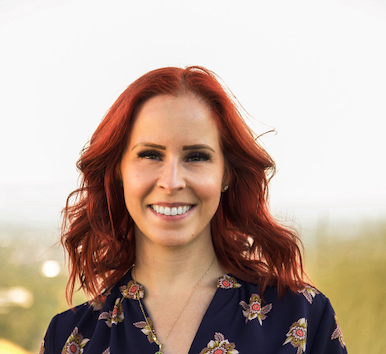
Dr. Ingrid Boveda
-
Dr. Ingrid Boveda received her Master's and Doctoral degrees from the University of Utah, and specializes in assessment and diagnoses in clinically complex cases, particularly those involving neurodevelopmental differences. She is the founding psychologist at The Hive Psychological Services, a premier and neurodivergent-informed psychological testing practice, as well as the Co-Founder of COGenuity, which provides qEEG and neurofeedback services nationally. "Dr. B" as she is often called, identifies as neurodivergent, and much of her work is rooted in helping clients and their families better understand their unique profile of strengths and struggles, understanding that some of these struggles need to be contextualized in societal norms of normality. Dr. B personally understands what it feels like when all the pieces do not connect despite trying one's best. She is intent on shifting society's paradigm of how we help neurodivergent individuals, and is passionate about working with families and educating providers, educators, and support persons towards these efforts.
-
Title: The Integration Advantage: Transforming Autism Care Through Movement and Nutrition
Description: Autism spectrum disorder (ASD) often co-occurs with depression, anxiety, and other mental health challenges in adolescents and young adults. Emerging research highlights that lifestyle interventions—specifically regular physical activity and a nutrient-rich whole-foods diet—can significantly support psychological well-being and brain health in this population. Exercise programs (e.g., aerobic, strength, yoga or dance-based activities) have been shown to improve motor skills, cognitive function, social skills and even measurable brain function in youth/adults with ASD. Neurologically, physical activity boosts neuroplasticity: it increases levels of brain-derived neurotrophic factor (BDNF), promotes synaptogenesis, and may normalize gut–brain signaling and reduce neuroinflammation, all of which can ameliorate ASD symptoms. Similarly, proper nutrition—emphasizing a balanced diet of whole foods—is critical to mental health and nervous system regulation. Many individuals with ASD have selective eating patterns that cause vitamin/mineral deficiencies; these nutrient gaps can worsen mood and anxiety by impairing neurotransmitter pathways (e.g., B-vitamins for serotonin synthesis). Ensuring adequate nutrition helps stabilize mood, supports normal brain development, and can mitigate gastrointestinal issues linked to behavior. While exercise and nutrition interventions provide clear benefits across all populations, research shows they have uniquely positive influences on neurodivergent individuals, including those with ASD. The regulatory effects of these interventions are particularly well-suited to the distinct nervous system characteristics of the ASD population.
In behavioral health practice, integrating movement and nutrition alongside traditional therapies can enhance outcomes. A holistic intervention model (combining exercise, diet, and sleep hygiene) has been advocated to target core ASD symptoms and co-occurring mental health issues. For example, occupational and behavioral therapists can incorporate structured physical activities or yoga into sessions to improve sensory regulation and self-esteem. Psychologists can reinforce healthy lifestyle goals (e.g., family-based meal planning, daily activity routines) as part of therapeutic plans. When exercise and dietary guidance are woven into treatment (with coordination between therapists, dietitians, and families), adolescents with ASD often experience reduced anxiety and better emotional stability. This session will review current evidence on how movement and whole-food nutrition benefit the autistic brain, and will outline practical strategies for clinicians to integrate these interventions into therapy.

Greg Burnham
-
Greg Burnham has over 25 years of experience working with adolescents, young adults, and families as a primary therapist and clinical director across residential treatment, community mental health, and wilderness-based programs. He specializes in supporting individuals navigating complex emotional and behavioral challenges and has witnessed powerful, lasting transformations throughout his career.
Greg is a sought-after conference speaker on topics including neurodiversity, parenting, the treatment process, skill development for direct-care professionals, and building effective therapeutic environments. His presentations blend clinical insight, practical application, and real-world experience, offering attendees tools they can immediately apply in their work.
Greg brings a grounded, compassionate perspective shaped by both his professional experience and his role as a parent of four young adult children. His work is deeply informed by a belief in growth, resilience, and the healing power of meaningful connection.
-
Title: When “More Therapy” Becomes The Problem - Challenging Assumptions About Treatment For Autistic Adolescents and Young Adults
Description: This presentation explores the challenges of providing therapy to autistic adolescents and young adults, with particular attention to residential treatment settings and varying levels of care. We will examine common concerns about the role, type, and intensity of therapy, then introduce coaching as a complementary—and sometimes alternative—approach. Coaching will be clearly defined and contrasted with therapy, with attention to when and how each is most appropriate. The presentation concludes with practical tools for assessing individual needs and supporting effective collaboration within residential teams and family systems.
A central focus will be the often-unspoken doubts held by professionals working in residential programs regarding therapeutic models for autistic youth. These concerns are frequently discussed privately rather than openly addressed. We will explore why these conversations are difficult to initiate and offer strategies for bringing them into constructive, team-based dialogue.
We will also examine how the pressure to legitimize our roles as treatment providers can lead to rigid or artificial expectations about what “treatment” should look like, limiting curiosity and individualized care. While the field has made meaningful progress, this presentation aims to support continued growth by encouraging thoughtful reflection and flexibility.
Finally, we will integrate broader critiques and conversations about autism and therapy that extend beyond residential treatment settings, drawing on external data and perspectives. The goal is for participants to leave feeling energized, grounded, and relieved of unnecessary expectations—both external and internal—that can constrain decision-making, creativity, and ultimately the care we provide to young people and their families.

Alaina Chatterley
-
For over 20 years Alaina has walked alongside others as a licensed clinical social worker trained in EMDR, Accelerated Resolution Therapy (ART), Trauma-Focused Cognitive Behavioral Therapy (CBT), and more. But beyond the methods of therapy, Alaina is a bridge: honoring the rigor of clinical practice while attuning to the deeper intelligence of the body & soul. Her work supports people in reconnecting with their inner guidance and reclaiming their sovereignty so they can turn their energy toward creating their life instead of reacting to it.
-
Title: When Talk Gets in the Way: Bypassing Rigidity in Neurodiverse Clients with Accelerated Response Therapy
Description:

Dr. Lisa Cheyette
-
A licensed psychologist in the Atlanta area since 1995, Dr. Lisa Cheyette has dedicated over 10 years to working with children, teens, and adults locally, nationally, and internationally as a Therapeutic Consultant.
A recognized specialist in autism spectrum disorders, anxiety disorders, depression, and other complex psychological issues, Dr. Cheyette’s work as a Therapeutic Consultant integrates not only her clinical experience in diagnosis, assessment, and treatment but also her first-hand knowledge and experience of programs, schools, and other treatment options. This clinically informed approach allows Dr. Cheyette to provide valuable insight, perspective, compassion, and empathy to families as she partners with and advocates for her clients throughout their journey.
Dr. Cheyette maintains a small private practice in metropolitan Atlanta. She is registered as a PSYPACT® provider and can work with clients via telehealth in all eligible states. She is a member of the Georgia Psychological Association (GPA), the American Psychological Association (APA) and the Therapeutic Consulting Association (TCA) These professional affiliations reflect both the depth of her knowledge and the breadth of her work with clients, providing clarity, insight, and perspective for families in need of support and guidance.
-
Title: When “More Therapy” Becomes The Problem - Challenging Assumptions About Treatment For Autistic Adolescents and Young Adults
Description: This presentation explores the challenges of providing therapy to autistic adolescents and young adults, with particular attention to residential treatment settings and varying levels of care. We will examine common concerns about the role, type, and intensity of therapy, then introduce coaching as a complementary—and sometimes alternative—approach. Coaching will be clearly defined and contrasted with therapy, with attention to when and how each is most appropriate. The presentation concludes with practical tools for assessing individual needs and supporting effective collaboration within residential teams and family systems.
A central focus will be the often-unspoken doubts held by professionals working in residential programs regarding therapeutic models for autistic youth. These concerns are frequently discussed privately rather than openly addressed. We will explore why these conversations are difficult to initiate and offer strategies for bringing them into constructive, team-based dialogue.
We will also examine how the pressure to legitimize our roles as treatment providers can lead to rigid or artificial expectations about what “treatment” should look like, limiting curiosity and individualized care. While the field has made meaningful progress, this presentation aims to support continued growth by encouraging thoughtful reflection and flexibility.
Finally, we will integrate broader critiques and conversations about autism and therapy that extend beyond residential treatment settings, drawing on external data and perspectives. The goal is for participants to leave feeling energized, grounded, and relieved of unnecessary expectations—both external and internal—that can constrain decision-making, creativity, and ultimately the care we provide to young people and their families.

Dr. Neal Christensen
-
Dr. Neal Christensen, Licensed Psychologist, has been treating adolescents with various neurobehavioral and developmental conditions including autism, ADHD, OCD, and anxiety disorders in Outdoor Behavioral Healthcare programs for over two decades. He co-wrote an article featured in the Journal of Therapeutic Programs and Schools called Discovering and Treating Pathological Demand Avoidance in the Wilderness. He served as the guest editor of the Journal of Therapeutic Schools and Programs in 2021, featuring authors and articles discussing topics related to the study and treatment of autistic people. He has presented at various conferences and has had professional speaker engagements discussing the treatment of adolescents who have OCD, anxiety, and autism. He served as the Research Committee Chair of the Outdoor Behavioral Health Council for eight years and helped to create the OBH accreditation standards. Dr. Christensen has researched the positive effects OBH has on teens and families with neurobehavioral and developmental challenges. He is the Clinical Director and co-owner of Eclipse by Elements, a specialty program designed specifically for neurodiverse adolescents. In his free time, Dr. Christensen can be found sending it on his mountain bike or climbing frozen waterfalls.
-
Title: The Mystery of Obsessions and Compulsions: the Intersection of ASD and OCD
Description: Autism Spectrum Disorder (ASD) and Obsessive-Compulsive Disorder (OCD) frequently co-occur, yet clinicians often struggle to distinguish between autistic repetitive behaviors driven by regulation, predictability, and sensory needs, and OCD compulsions rooted in anxiety and intrusive thoughts. Misidentification and misunderstanding can lead to ineffective interventions, heightened distress, and a breakdown in therapeutic relationships — particularly for autistic clients and their families, whose presentations may differ from neurotypical profiles of OCD.
This presentation will provide a clear, clinically grounded framework for differentiating ASD-related repetitive behaviors from OCD symptoms, highlighting distinct etiological pathways and behavioral functions that guide treatment direction. Presenters will draw from current research, case material, and professional experience supporting autistic individuals, and their families, while receiving treatment in residential and outpatient settings.
Attendees will gain concrete strategies for assessing and treating OCD in autistic individuals using adapted cognitive behavioral and exposure-based interventions, while honoring neurodiversity-affirming principles. Finally, the session will address how families and support networks can play a vital role in reducing accommodation cycles, supporting exposure work, and building long-term resilience.
This workshop will equip the audience with practical clinical tools and a nuanced understanding of OCD within ASD, ultimately improving diagnostic clarity and treatment outcomes..

Sheneen Daniels, Ph.D.
-
Dr. Sheneen Daniels is a licensed psychologist with nearly 30 years of experience specializing in autism assessment, diagnosis, and models of support. In the mid-1990s, her early training centered on TEACCH’s structured, individualized approach during a period when autism intervention models were rapidly evolving and often hotly debated. Over the years, Dr. Daniels has witnessed and participated in the field’s shift toward more ethical, developmentally grounded, and client-centered practices, including a growing emphasis on elevating autistic voices and viewpoints. She became a Clinical Assistant Professor in the Department of Psychiatry at UNC and a psychologist with the TEACCH Autism Program in 2012 and continues to serve as Clinical Director for CReATE, a team of psychologists providing comprehensive psychological and neuropsychological evaluations. Dr. Daniels is committed to neuroaffirming, evidence-informed care and to helping professionals understand the historical landscape of autism in order to thoughtfully navigate the complexities of current and emerging practices.
-
Title: Understanding the ABA Controversy: History, Misconceptions, Ethical Evolution, and Implications for Autism Programs
Description: Applied Behavior Analysis (ABA) remains one of the most widely used and well-funded interventions for autistic individuals, yet it is also one of the most polarizing. This presentation provides a balanced, research-informed overview of the ABA controversy to help program directors and admissions leaders better understand the perspectives shaping today’s service landscape. We will explore the historical roots of ABA and how earlier practices contributed to mistrust among autistic adults, contrast traditional approaches with more modern assent-based and trauma-informed models, and examine where debate stems from data versus cultural narrative. The session will also highlight key critiques from the neurodiversity movement—including concerns about masking, compliance-based teaching, and autonomy—while also reviewing evidence for ABA’s effectiveness for certain goals and populations. The goal is not to promote or dismiss ABA, but to support informed, ethical decision-making by clarifying what ABA is, what it is not, and how programs can navigate these polarized perspectives while centering client well-being, respect, and neuroaffirming practice.

Dr. Carlyn Daubs, Ph.D.
-
Dr. Carlyn Daubs has obtained her Masters of Science and Ph.D. in Counseling Psychology from the University of North Texas. Prior to developing a private practice that specializes on assessment, Dr. Daubs treated children, adolescents, and families in many different therapeutic settings including: a community mental health clinic, university counseling centers, a wilderness program, and a therapeutic boarding school. In addition to Dr. Daubs’ extensive clinical and assessment experience, she has also built and designed therapeutic programming for residential facilities for adolescents and their families. Currently, Dr. Daubs specializes in psychological assessment, supervision, and consultation. Her research interests include family systems, parent-child attachment, internalizing and externalizing behavior problems, co-occurring disorders, addiction processes, romantic attachment, and coping styles.
-
Title: AI-Augmented Social Communication Support for Adolescents on the Autism Spectrum: Evidence, Clinical Implications, and Ethical Considerations
Description: Research on AI-augmented social communication support for adolescents with autism highlight promising clinical benefits and, also, come with important risk considerations. Emerging evidence suggests that AI tools, particularly those using large language models, can improve expressions of empathy, confidence in communication and conversation, and practice and generalization of social skills. Additional studies on AI-based virtual companions show potential for supporting social learning and online safety, including helping adolescents recognize and respond to cyberbullying.
Considering what appear to be benefits, there also appear to be risks. Risk considerations for adolescents with autism using AI-augmented social communication support include reinforcement of social withdrawal if AI interaction replaces human interaction, a reliance on, or trust in, inaccurate or biased AI-generated information, privacy and data-security concerns, and the development of parasocial or overly dependent relationships with chatbots. Additional concerns/risks are related to adolescents using AI for advice (e.g. advice pertaining to one’s mental health), which might exceed the AI’s capabilities, given limitations in detecting nuance, distress, or risk.
Clinically, these findings underscore the need to conceptualize AI as a potentially supportive tool, not a replacement for clinicians. AI, when used, will need clear boundaries, ethical safeguards, and ongoing professional oversight to ensure it enhances, rather than undermines, social development and well-being.
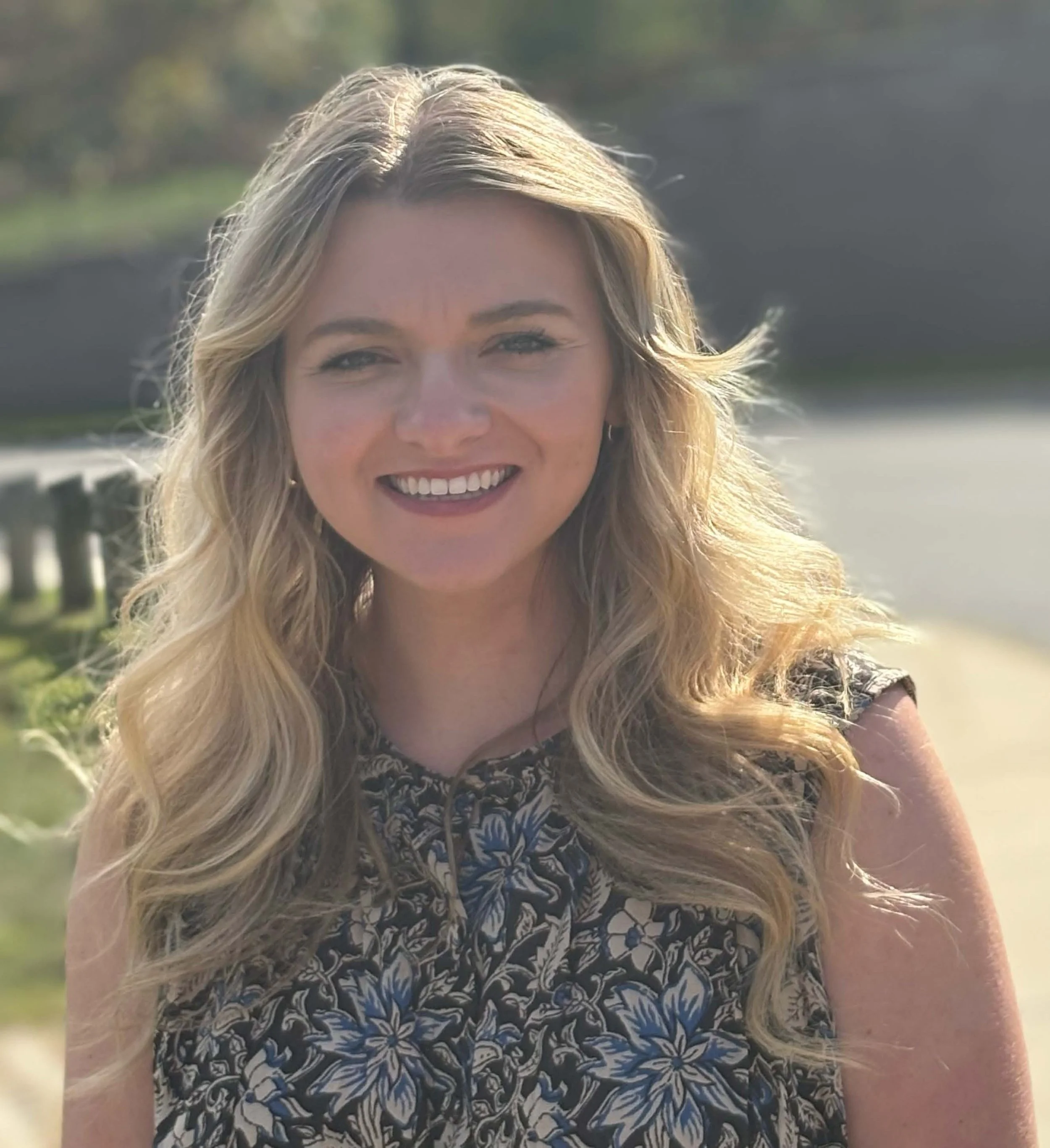
Dr. Michaela Fanelli, EdD, M.Ed., BCBA, CTRS-E, LABA
-
Dr. Michaela Fanelli, EdD, M.Ed., BCBA, CTRS-E, LABA, is the Manager of Professional Development and Learning at League School for Autism, where she leads organization-wide training initiatives, applies quality assurance systems to strengthen practice, and drives instructional improvement across programs. Her work centers on designing transformative professional development rooted in adult learning theory, Universal Design for Learning, and systems-level evaluation. Michaela has extensive experience building organizational learning structures, developing universal data collection systems, and guiding cross-departmental change efforts that strengthen program fidelity and staff capacity.
As an Ed.D. candidate in Higher Education Leadership at Regis College, her research uses interpretative phenomenological analysis to examine the persistence and lived experiences of autistic women in postsecondary institutions. Her scholarly and professional interests include neurodiversity-affirming educational systems, organizational learning, and professional development as a driver of culture change. Michaela has presented on neurodiversity, trauma-informed practice, and transformative PD at institutions and conferences, including MIT, ACRC, and the Massachusetts Special Education Summit.
-
Title: Perceptions of Persistence: Lived Experiences of Women Diagnosed With Autism Spectrum Disorder in Postsecondary Education
Description: This presentation shares findings from a phenomenological study using interpretative phenomenological analysis (IPA) to explore how women diagnosed with autism spectrum disorder (ASD) understand and make meaning of their persistence in postsecondary education. Focusing on students who have completed at least 60 college credits, the study illuminates how persistence unfolds across academic, social, and institutional transitions. Guided by Schlossberg’s transition theory and the 4S system, the analysis examines how personal characteristics, contextual supports, and coping strategies shape students’ lived experiences as they navigate identity development, masking pressures, disability disclosure, evolving independence, and the demands of college culture.
Autistic women remain significantly underrepresented in both autism and persistence research. This presentation introduces a phenomenological study that centers on their voices and examines how persistence is shaped through the interplay of situation, self, support, and strategies. The findings reveal gender-specific challenges—including relational expectations, masking pressures, late or evolving diagnostic experiences, and the need for selective disclosure—while also highlighting the essential role of faculty, peers, accommodations, and institutional structures in shaping persistence pathways. Together, these insights offer a deeper understanding of how autistic women navigate postsecondary environments and of the conditions that strengthen or hinder their ability to sustain academic progress.
The presentation will discuss the study's findings, interpret how features of higher education culture shape autistic women’s experiences, and offer practical strategies to inform policy, instructional approaches, disability services, and campus-wide professional development. Together, these insights support the creation of more inclusive, identity-responsive postsecondary environments where autistic women can thrive, persist, and graduate.
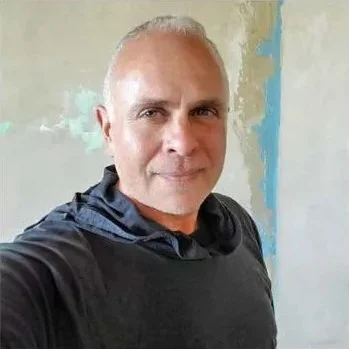
Daniel Fishburn
-
With over 25 years of experience in clinical social work, Daniel owns a thriving private practice based in Asheville. He works with ages 13 to 75 providing individual and couples counseling. Among his specialties is supporting neurodivergent adolescents. During most of his professional career, Daniel held leadership roles in residential programs including therapeutic boarding schools, and emerging adult transitional facilities. His passion is to support people as they find their way to living authentically, always taking into consideration the world in which they live.
-
Title: Alliance or Compliance? Power in Autism Care
Description: The therapeutic alliance is consistently identified as the single strongest predictor of positive outcomes. Yet, the traditional power dynamic inherent in helping professions profoundly impacts this alliance, especially when working with autistic individuals who often experience and perceive power structures differently.
Drawing from clinical research, neurodiversity-affirming practice, and the realities of programmatic service models, this presentation argues that helping professionals must consider a practice of radical transparency, explicit role clarity, and intentional power-sharing.
We will discuss how therapeutic settings and program-based models can amplify power imbalances. Attendees will gain actionable insights on how to deconstruct traditional power structures and implement practical strategies.
Ultimately, this presentation asserts that strengthening the therapeutic alliance requires a fundamental shift: recognizing the autistic client as the expert in their own life, and restructuring the professional relationship around mutual respect and equitable partnership.
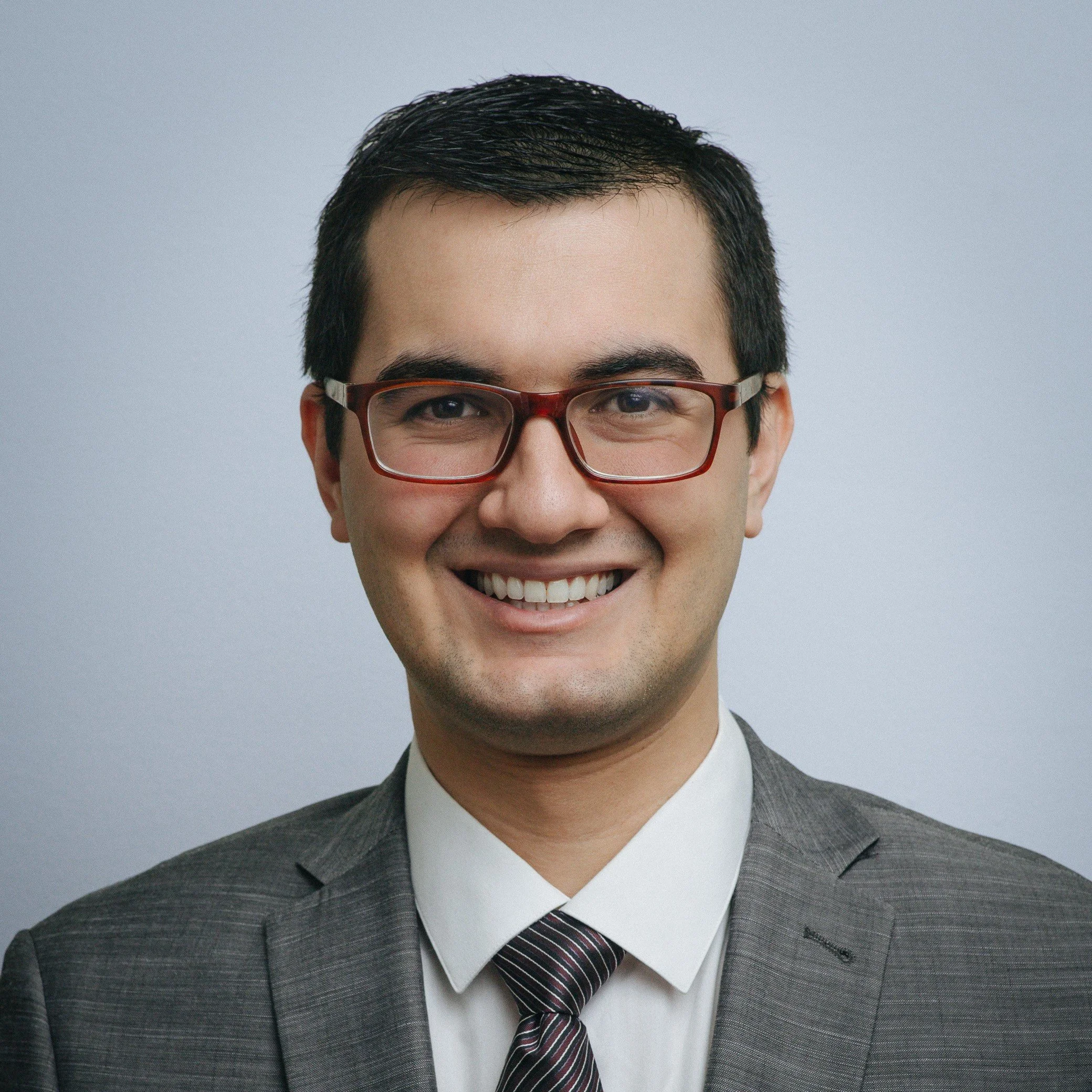
Dr. Andres Griborio-Guzman
-
Guzman is an Adult Cardiology resident at the University of Manitoba, a Fellow of the Royal College of Physicians of Canada in Internal Medicine, and an MDCM from McGill University. His research focus is on cardiovascular disease in patients with autism spectrum disorder and their cardiometabolic risk. He is the first author of the Canadian Journal of Cardiology article “Autism and Its Correlation With Increased Cardiovascular Mortality and Diseases,” which synthesizes global evidence on premature cardiovascular mortality and cardiometabolic disease in autistic individuals. His broader research portfolio includes publications in Heart (BMJ), Frontiers in Oncology, and Scientific Reports (Nature Portfolio), and he has presented his work at national and international scientific meetings. He has also been recognized for excellence in teaching with the Cardiology Resident Trainee Teacher of the Year Award at the University of Manitoba and was on the Dean's Honor List at McGill University Faculty of Medicine.
-
Title: Autism and Its Correlation With Increased Cardiovascular Mortality and Diseases
Description: Autistic individuals face a profound mortality gap, dying on average at least 16 years earlier than non-autistic peers, with cardiovascular disease (CVD) emerging as one of the leading causes of death. Population-based data show that people with autism have a 2–10-fold higher risk of premature mortality overall and about a 1.5-fold higher mortality from diseases of the circulatory system, which account for approximately 26% of deaths where a primary cause is known. This session synthesizes evidence from a review in the Canadian Journal of Cardiology, a large meta-analysis of 34 cohort studies (over 276,000 autistic and 7.7 million non-autistic participants), and related observational studies to describe the cardiometabolic profile of autistic individuals across the lifespan. Autistic people are at least 1.5 times more likely to develop diabetes, dyslipidemia, and atherosclerotic heart disease, with additional associations with atrial fibrillation, heart failure, valvular disease, and congenital heart disease. The presentation introduces a conceptual framework with four interacting layers of cardiovascular risk in autism: biological, behavioral, comorbidities or iatrogenic, and systemic. Attendees will leave with an understanding of autism–CVD interactions. Future research should give further practical, implementable approaches to reduce preventable cardiovascular morbidity and mortality in the autistic community.
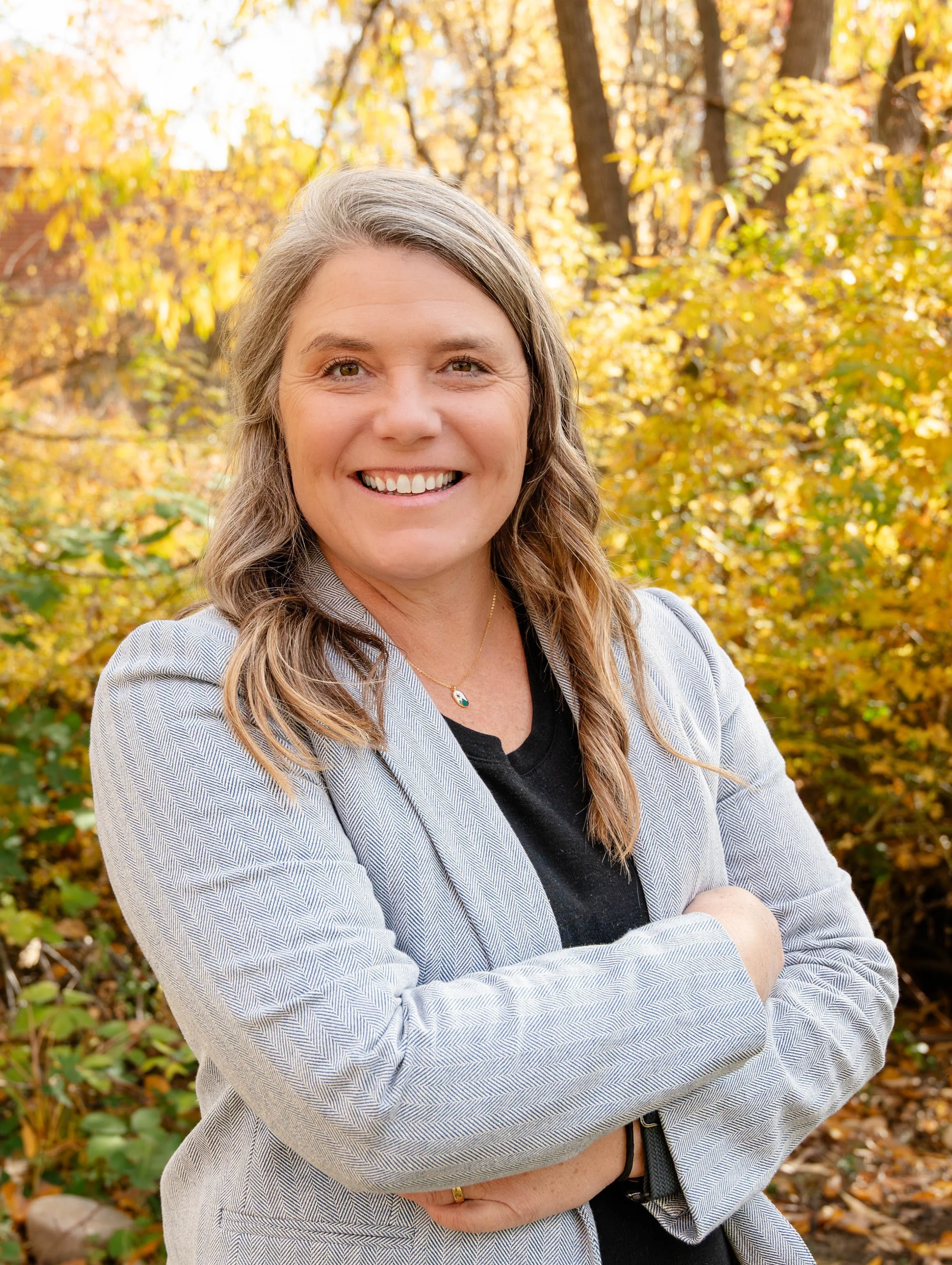
Amee Hardy, LCPC
-
Amee Hardy, LCPC, is the Executive Director of Gemba Boise. She started her career backpacking with foster teens in Idaho's wilderness, and fell in love with helping teens and young adults navigate the world. She pursued her degree in counseling, and went on to work with people in many settings including in-patient psych, therapeutic boarding school, wilderness therapy and community agencies. Amee received her bachelor's degree in education from University of Idaho and her master's degree in counseling from Boise State University. Amee is a Licensed Clinical Professional Counselor, a clinical provider for Social Thinking, holds an attachment certification, is trained in the Trauma Resilience Model and the Community Resilience Model, and is a facilitator for Arbinger's Outward Mindset and Outward Leadership.
-
Title: Emotional Quotient (EQ) Unlocked: The Skills Behind Success
Description: Emotional intelligence is a critical set of abilities that shape how students interpret experiences, regulate behavior, connect with others, and navigate stress—yet it is often overlooked in traditional views of intelligence. This session presents a clear EQ framework, research, and practical tools for integrating emotional skills into student support. Attendees will leave with a holistic, actionable framework for seeing students more clearly—beyond labels, pathology, and IQ.
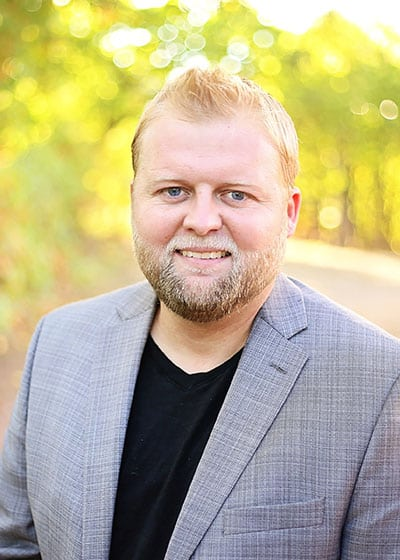
Dr. Steven DeMille, LCMHC
-
Steven DeMille is a licensed Clinical Mental Health Counselor and Executive Director of RedCliff Ascent and Three Peaks. He specializes in integrating evidence-based therapies with experiential, nature-based treatment for adolescents and families. Dr. DeMille holds a PhD in Counselor Education and Supervision and an MBA, combining clinical expertise with organizational leadership. His work focuses on developmental disorders, emotional regulation, and family systems. He is actively involved in program development, staff training, and advancing ethical, effective practices in residential and outdoor behavioral healthcare.
-
Title: Beyond Diagnosis: Using the SPM-2 for Interdisciplinary Collaboration in Autism Care
Description: Sensory processing differences are a core and empirically supported feature of autism, with well-established links to emotional regulation, adaptive functioning, social participation, and mental health outcomes. Although the Sensory Processing Measure–Second Edition (SPM-2) is widely validated and frequently used during initial assessment, its potential as a longitudinal, treatment-informing tool is often underutilized once a diagnosis has been made.
This presentation reframes the SPM-2 within a measurement-based care framework, demonstrating how repeated sensory assessment can guide ongoing treatment planning, monitor functional change, and support interdisciplinary collaboration across clinical, educational, residential, and medical settings. Grounded in the psychometric foundations of the SPM-2 and research on sensory modulation in autism, the session illustrates how sensory profiles can reduce diagnostic overshadowing and improve the precision of intervention planning.
Through applied case examples, participants will learn how SPM-2 domain scores—such as sensory seeking, over-responsivity, under-responsivity, praxis, and social participation—can be translated into actionable recommendations that inform therapy goals, educational accommodations, behavioral supports, and communication with medical providers. Emphasis is placed on using SPM-2 data as a shared, evidence-based language to enhance collaboration among professionals and improve outcomes for autistic individuals across environments.

Jess Jewell, Ph.D.
-
Jessica Jewell, PhD, is a licensed psychologist with over 15 years of clinical experience working with children, adolescents, and families across inpatient, residential, wilderness, and outpatient settings. She is the Assistant Clinical Director of the Comprehensive Assessment and Treatment (CAT) Program at Huntsman Mental Health Institute, University of Utah Health, where she provides leadership for a multidisciplinary assessment program serving youth with complex psychiatric and neurodevelopmental presentations.
Dr. Jewell specializes in psychological and neuropsychological assessment, with particular expertise in autism spectrum disorder, differential diagnosis, and integrated evaluation models that inform treatment planning across levels of care. Her work emphasizes developmentally informed, trauma-aware, and systems-based approaches to assessment, especially in cases involving diagnostic complexity and overlapping symptom profiles.
In addition to her clinical work, Dr. Jewell is actively involved in training and program development, delivering education on autism, neurodiversity, executive functioning, and clinical decision-making for interdisciplinary treatment teams. She regularly presents at regional and national conferences on autism and related psychiatric conditions.
-
Title: We Were Sure. Then We Weren’t: Autism and Its Most Convincing Look-Alikes
Description: We Were Sure. Then We Weren’t: Autism and Its Most Convincing Look-Alikes is a case-based presentation examining how autism in pediatric populations is often obscured by psychiatric diagnoses and presentations that are clinically reasonable early on. Using longitudinal case vignettes, the presenters illustrate how autism may initially appear as bipolar disorder, borderline personality traits, ADHD, obsessive–compulsive disorder, or social anxiety, as well as through common diagnostic detours such as chronic irritability, demand avoidance, social withdrawal, high insight with low follow-through, and compliance followed by collapse. Rather than emphasizing diagnostic criteria, the session focuses on process—how time, treatment response, and interdisciplinary observation shape diagnostic clarity—highlighting the role of well-timed neuropsychological assessment, medication trials, psychotherapy, and real-world functioning across settings. Designed for an autism-informed audience, the presentation models diagnostic humility and collaborative formulation, emphasizing that changing one’s mind in response to accumulating data is a core clinical strength in complex pediatric assessment.
Brenda Keller, LPC
-
Brenda Keller is a Licensed Professional Counselor (LPC) with over 20 years of experience in the mental health field. She has worked in clinical services, intake, risk management, and leadership roles. She holds a bachelor’s degree in psychology from Asbury University and a master’s in counseling from Kaplan University.
Brenda is passionate about all aspects of treatment. She uses solution-focused DBT, CBT, and other therapeutic modalities to help individuals heal from trauma and lead fulfilling lives. As a certified RYT 500 yoga teacher, Brenda integrates the mind-body connection into therapy, supporting healing through breath and movement. Outside of her professional work, she enjoys spending time with her dogs and teaching yoga. -
Title: Autism and Suicidal Ideation: Bridging Understanding with Action for Compassionate Intervention
Description: This presentation delves into the intricate relationship between Autism Spectrum Disorder (ASD) and Suicidal Ideation (SI), highlighting the latest research insights and therapeutic approaches. Participants will gain an in-depth understanding of how these two areas intersect and will be equipped with a toolkit of practical interventions tailored for individuals with ASD experiencing SI. The session will emphasize the importance of customized communication strategies, effective crisis management techniques, and the development of comprehensive, long-term support plans, all grounded in current best practices. This educational experience aims to enhance the therapeutic skills of professionals, ensuring they are well-prepared to meet the unique needs of this client population with empathy and expertise
Dr. Jason King, LCMHC
-
Dr. King brings more than 20 years of clinical experience serving adolescents and their families across a wide range of settings, including home, school, correctional, hospital, private practice, and community-based environments. He began his clinical career in 2002 as a certified Functional Family Therapist (FFT), and in 2012, he was honored as the Mental Health Counselor of the Year by the American Mental Health Counselors Association for his impactful work with youth and families. He has a deep passion for working with self-harming and suicidal behaviors and supporting individuals affected by trauma as well as dissociative, mood, anxiety disorders, and substance use disorders.
Nationally recognized for his expertise in psychiatric assessment and differential diagnosis, Dr. King is listed as a Collaborating Investigator in the DSM-5-TR (page 1000). His clinical specialties include screening and testing for social-pragmatic communication disorder (SPCD), autism spectrum disorder (ASD), attention-deficit/hyperactivity disorder (ADHD), and other neurodevelopmental conditions—particularly in female adolescents, whose symptoms are often overlooked or misdiagnosed.
In addition to his training in FFT, Dr. King holds professional certifications or advanced training in Dialectical Behavior Therapy (DBT), Trauma-Focused Cognitive Behavioral Therapy (TF-CBT), Interpersonal Neurobiology (IPNB), Interpersonal and Social Rhythm Therapy (IPSRT), and Internal Family Systems (IFS). His clinical style is warm, relational, and highly engaging. He frequently incorporates Motivational Interviewing (MI) to build therapeutic trust and reduce resistance in adolescents, creating a safe, supportive environment where teens feel understood and parents feel confident in the care their child is receiving.
Outside of his professional work, Dr. King enjoys spending time with his wife and children. He can often be found exploring Utah’s mountains—skiing, mountain biking, or camping—or out on the lakes boating and jet skiing.
-
Title: Beyond Diagnosis: Using the SPM-2 for Interdisciplinary Collaboration in Autism Care
Description: Sensory processing differences are a core and empirically supported feature of autism, with well-established links to emotional regulation, adaptive functioning, social participation, and mental health outcomes. Although the Sensory Processing Measure–Second Edition (SPM-2) is widely validated and frequently used during initial assessment, its potential as a longitudinal, treatment-informing tool is often underutilized once a diagnosis has been made.
This presentation reframes the SPM-2 within a measurement-based care framework, demonstrating how repeated sensory assessment can guide ongoing treatment planning, monitor functional change, and support interdisciplinary collaboration across clinical, educational, residential, and medical settings. Grounded in the psychometric foundations of the SPM-2 and research on sensory modulation in autism, the session illustrates how sensory profiles can reduce diagnostic overshadowing and improve the precision of intervention planning.
Through applied case examples, participants will learn how SPM-2 domain scores—such as sensory seeking, over-responsivity, under-responsivity, praxis, and social participation—can be translated into actionable recommendations that inform therapy goals, educational accommodations, behavioral supports, and communication with medical providers. Emphasis is placed on using SPM-2 data as a shared, evidence-based language to enhance collaboration among professionals and improve outcomes for autistic individuals across environments.

Dr. Lauren Lawson, Ph.D.
-
Dr Lauren Lawson is a Clinical Psychologist and Senior Lecturer in the School of Psychology & Public Health at La Trobe University, Melbourne, Australia. Lauren is a practicing psychologist working within an Acceptance and Commitment Therapy framework for past 7 years, including supervising and training provisional psychologists. She is the current Past-President of the ANZ Chapter of ACBS and co-director of the ACTUALISE Lab at La Trobe University, which aims to bring together researchers, clinicians, and students who have an interest in contextual behavioural science. Her research and clinical interests focus on autistic adults, examining how transdiagnostic processes (e.g., psychological flexibility, experiential avoidance) contribute to the development and maintenance of mental health and sleep difficulties, and using contextual behavioural science to develop evidence-based, neuroaffirming interventions.
-
Title: Beyond the "Average" Autistic Person: Using Machine Learning to Map Individualized Pathways from Sensory Processing and Uncertainty to Anxiety
Description: Research has consistently demonstrated that atypical sensory processing and intolerance of uncertainty (IU) are central mechanisms driving anxiety in autism. However, traditional research approaches examining group averages have obscured critical individual differences—essentially creating interventions for a mythical "average" autistic person who doesn't actually exist. This presentation bridges established theory with innovative methodology to reveal how these transdiagnostic processes cluster in meaningful ways that can directly inform personalized treatment planning.
Our foundational work has shown that sensory sensitivities and difficulty tolerating uncertainty don't operate in isolation—they interact with executive functioning, emotion regulation, alexithymia, and camouflaging behaviors to create complex vulnerability profiles. The question facing clinicians isn't simply whether these factors matter, but rather: Which specific constellation of factors is most relevant for this individual client?
To answer this question, we partnered with Australian clinical researchers and machine learning researchers to analyze data from 811 autistic adults (ages 18-73) who completed comprehensive assessments spanning transdiagnostic processes, autistic traits, and mental health outcomes. Using sophisticated statistical tools, we identified eight distinct subgroups characterized by different combinations of sensory sensitivity, IU, executive functioning, emotion regulation, alexithymia, resilience, camouflaging, and repetitive behaviors.
The results challenge any notion of autism as a monolithic experience. We identified three broad vulnerability profiles: Low-distress clusters (25% of sample) showed lower camouflaging and sensory sensitivity paired with higher resilience, resulting in better mental health outcomes across the board. High-distress clusters (31%) exhibited elevated camouflaging, sensory sensitivity, alexithymia, and IU, alongside significantly higher anxiety, depression, and autistic burnout. Most intriguingly, moderate-distress clusters (44%) demonstrated multiple pathways to vulnerability—high camouflaging combined with variable patterns in emotional processing and sensory experiences.
The clinical implications are profound. Rather than applying one-size-fits-all interventions, these profiles enable clinicians to identify which transdiagnostic processes deserve primary focus for each individual. For someone in a high-distress cluster, simultaneously addressing IU and sensory sensitivities may be critical. For others in moderate-distress pathways, reducing camouflaging demands or building emotion regulation skills might be more impactful. This approach is therapeutic-orientation agnostic—whether using CBT, acceptance-based approaches, occupational therapy, or integrative models, these profiles help clinicians identify the most relevant treatment targets.
Attendees will leave with concrete tools for moving beyond standardized protocols toward truly individualized, mechanistically-informed intervention that respects diversity within the autistic community.
Kirk Lazenby
-
Kirk Lazenby is a senior at the University of Tennessee at Chattanooga majoring in social work. Diagnosed with both autism and ADHD late in life, Kirk brings a lived understanding of what it means to rediscover identity and redefine success. After two decades as a graphic designer, he returned to school to pursue a social work degree and plans to pursue his master’s degree as well. He hopes to continue working with other autistic adults, helping them define success on their terms and be the best advocate for themselves they can be, both personally and professionally.
-
Title: Building Neuroinclusive Spaces and Bolstering Success on a College Campus and Beyond
Description: Once students identify a college and get accepted, then what? This session examines what to look for in a college support program and how to identify goodness of fit for specialized programs across the country. We will explore different post-secondary program models and examine opportunities beyond academics that promote holistic growth and inclusive approaches to career readiness.
Rachel Leja
-
A trained learning specialist, Rachel has deep experience working with students with a wide range of learning disabilities. Beginning her career at The Landmark School in Beverly, Massachusetts, the country’s premier language-based learning disabilities program, Rachel taught across the language arts, skills and writing curriculum. She then went on to join the faculty at The Cedarhurst School operated by the Yale University School of Medicine’s Department of Psychiatry, where she worked closely with students with a wide range of learning and developmental challenges, including specific learning disabilities, attentional and executive deficits, and autism spectrum disorder. While at Cedarhurst, Rachel held various positions, including English teacher, College Counselor and Head of Curriculum Development. Cedarhurst’s mission of serving students with emotional, behavioral and learning challenges supported by Yale’s research and resources had an immeasurable impact on Rachel’s professional understanding of the best interventions and treatments for this population of students while also widening her expertise to include assessing effective placements for students presenting with mental health impairments.
Rachel earned her bachelor’s degree in professional writing at Champlain College in Burlington, Vermont. She then went on to complete her master’s degree in special education at Simmons University in Boston, Massachusetts. Rachel has also presented at professional conferences on behavioral issues in the classroom, worked in an afterschool program for young learners and provided individual tutoring for learning disabled students.
-
Title: Post‑Secondary Planning for Neurodivergent Teens and Young Adults: Applying Clinical Executive Function Techniques to College, Career, and Independent Living
Description: Neurodivergent teens and young adults often face a double transition: adapting to new academic and social demands while simultaneously managing increased expectations for independence and self‑management. Executive function (EF) challenges underpin many of the difficulties seen in post‑secondary settings, including missed deadlines, inconsistent class or job attendance, breakdowns in self‑care, and vulnerability to anxiety and depression when structure drops away. Traditional college and career planning conversations frequently overlook the need to explicitly teach and scaffold EF skills, leaving families and students with plans that look good on paper but are not realistically actionable.
This session will present a neurodiversity‑affirming, clinically informed framework for post‑secondary planning that centers executive function as a primary treatment target. Drawing on clinical techniques from cognitive‑behavioral therapy, occupational therapy, and coaching, the presenters will demonstrate how to translate assessment findings into concrete supports across college, vocational training, and early employment contexts. Participants will learn how to integrate EF‑focused interventions—such as environmental modification, task‑chunking, externalization of time and tasks, and collaborative problem‑solving—into their existing work with neurodivergent youth and families.
Through case vignettes and brief practice activities, attendees will examine common failure points in transitions (e.g., registration and disability services, managing unstructured time, coordinating healthcare, navigating executive‑function‑heavy tasks like multi‑step assignments) and rehearse language and tools they can use immediately in sessions. Emphasis will be placed on aligning plans with the young person’s goals and identity, balancing autonomy and support, and building cross‑system collaboration with schools, disability offices, and employers.

Dr. Tony Meiners
-
Dr. Tony Meiners is a licensed clinical psychologist who has spent the last decade of his career working in residential, PHP, IOP, and outpatient levels of care. He brings a holistic treatment methodology to The Neurodivergent Collective to promote an integrative approach in treating mental health conditions. As the Clinical Director, Dr. Meiners utilizes his neurodivergent-specific training in conjunction with knowledge of neurobiological and cognitive treatment modalities to help heal clients.
On his philosophy at The Neurodivergent Collective, Dr. Meiners says, “At the heart of neurodivergent-affirming treatment is the celebration of cognitive and neurological diversity as a natural and valuable aspect of human variation. This perspective acknowledges that conditions like autism, ADHD, dyslexia, and other neurological differences are not merely deficits but unique ways of experiencing and interacting with the world. Embracing neurodivergence means recognizing the strengths, talents, and perspectives that come with these differences and fostering an environment that supports and validates them. ”UNIVERSITIES + DEGREES [Doctor of Applied Clinical Psychology, Psy.D.] The Chicago School of Professional Psychology. [Master of Social Work, Adult Mental Health and Wellness Concentration] University of Southern California. [Bachelor of Psychology] Maryville University.
-
Title: From Autistic Experience to Clinical Adaptation: Neurodivergent-Informed Care and Model Mismatch in Therapy
Description: This presentation examines autistic and neurodivergent clinical experiences through a historical and contemporary lens to illuminate how traditional therapy models have often failed to align with neurodivergent neurobiology. Participants will explore key trends that have shaped autistic and neurodivergent interactions with mental health systems and consider how these patterns inform the need for affirming, collaborative approaches to care (Anderberg et al., 2017; Jones, 2024; Maddox et al., 2020). The session introduces neurodivergent-informed care as a framework for addressing model mismatch in therapy, emphasizing ethical practice, accessibility, and treatment effectiveness. Attendees will also learn practical, generalizable adaptations to therapeutic structure, pacing, and communication that support engagement and responsiveness for neurodivergent clients. By centering lived experience and neurobiological diversity, this presentation supports clinicians in refining practice approaches that are respectful, effective, and aligned with neurodivergent clients’ needs.

Justin Messinger
-
Since 2017, Justin has been dedicated to helping young individuals and their families navigate the complexities of mental health. As a Licensed Clinical Mental Health Counselor and Qualified Clinical Supervisor, he employs a solution-focused therapeutic approach that prioritizes feedback-informed treatment. This ensures that every young adult receives personalized care tailored to their unique needs.
-
Title: Alliance or Compliance? Power in Autism Care
Description: The therapeutic alliance is consistently identified as the single strongest predictor of positive outcomes. Yet, the traditional power dynamic inherent in helping professions profoundly impacts this alliance, especially when working with autistic individuals who often experience and perceive power structures differently.
Drawing from clinical research, neurodiversity-affirming practice, and the realities of programmatic service models, this presentation argues that helping professionals must consider a practice of radical transparency, explicit role clarity, and intentional power-sharing.
We will discuss how therapeutic settings and program-based models can amplify power imbalances. Attendees will gain actionable insights on how to deconstruct traditional power structures and implement practical strategies.
Ultimately, this presentation asserts that strengthening the therapeutic alliance requires a fundamental shift: recognizing the autistic client as the expert in their own life, and restructuring the professional relationship around mutual respect and equitable partnership.
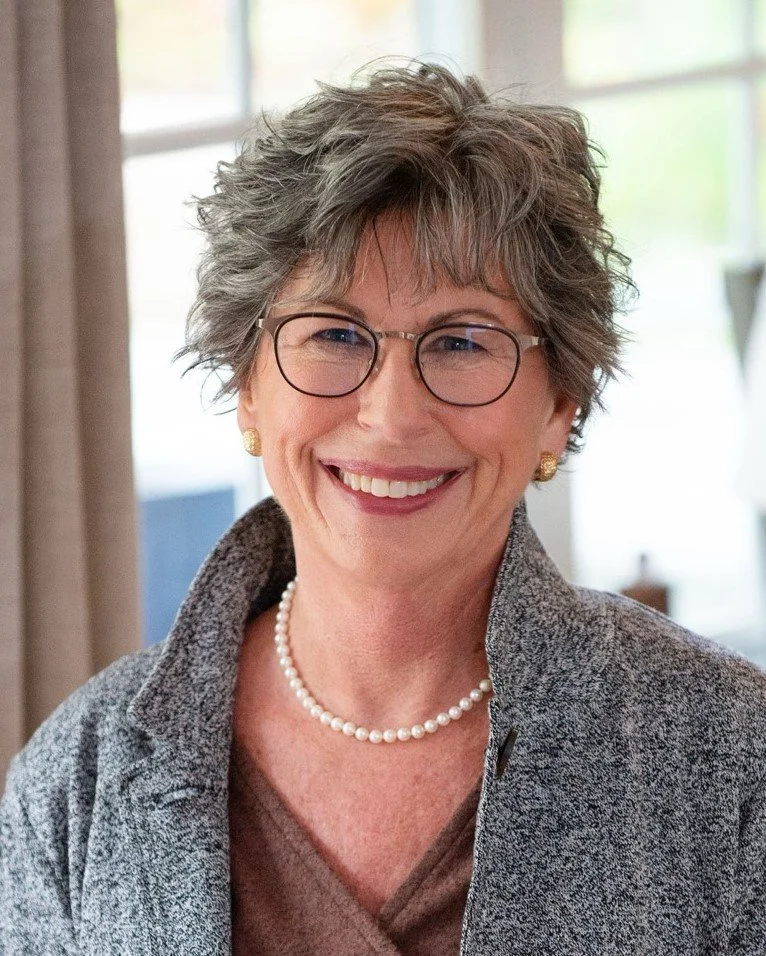
Elaine Morgan, Ed.M.
-
Elaine Morgan, Ed.M. is a National Certified Peer Specialist and a Florida Certified Recovery Peer Specialist for Families with the lived experience as a parent of a loved one with Autism and Schizophrenia. She is a National Board Certified Health and Wellbeing Coach, trained a Duke Integrative Medicine. As a Certified Educational Planner, Elaine combines her training in wellness coaching and special education at Morgan Guidance Services, LLC, providing parent and grandparent support, coaching and educational consulting for families navigating Autism and neurodiversity since 2012. Elaine is a Parent Peer Trainer at OPLM, Other Parents Like Me. She is a consultant to therapeutic schools, programs and private practices on implementation of SAMHSA and recovery values in parent programming. She offers supervision and support to peers serving singularly within a program. Elaine contracts as a parent peer support provider for several NATSAP member programs.
-
Title: The Transformative Impact of Parent Peer Support: How Peer-to-Peer Support Adds Measurable Value and Improves Outcomes for Families and the Individual with Autism
Description: Within the context of families navigating the needs of a loved one with Autism, this session informs organizational and professional practices, educating on the role of Parent Peer Support as a critical component of family services. Attendees will learn about the role Parent Peers Specialists including ethics and scope of practice. We will explore how Peer Parents collaborate with organizations, service providers and clinicians to enhance parent mental health, family wellbeing, shift outcomes and add measurable value, leading to positive impact on outcomes for autistic individuals.
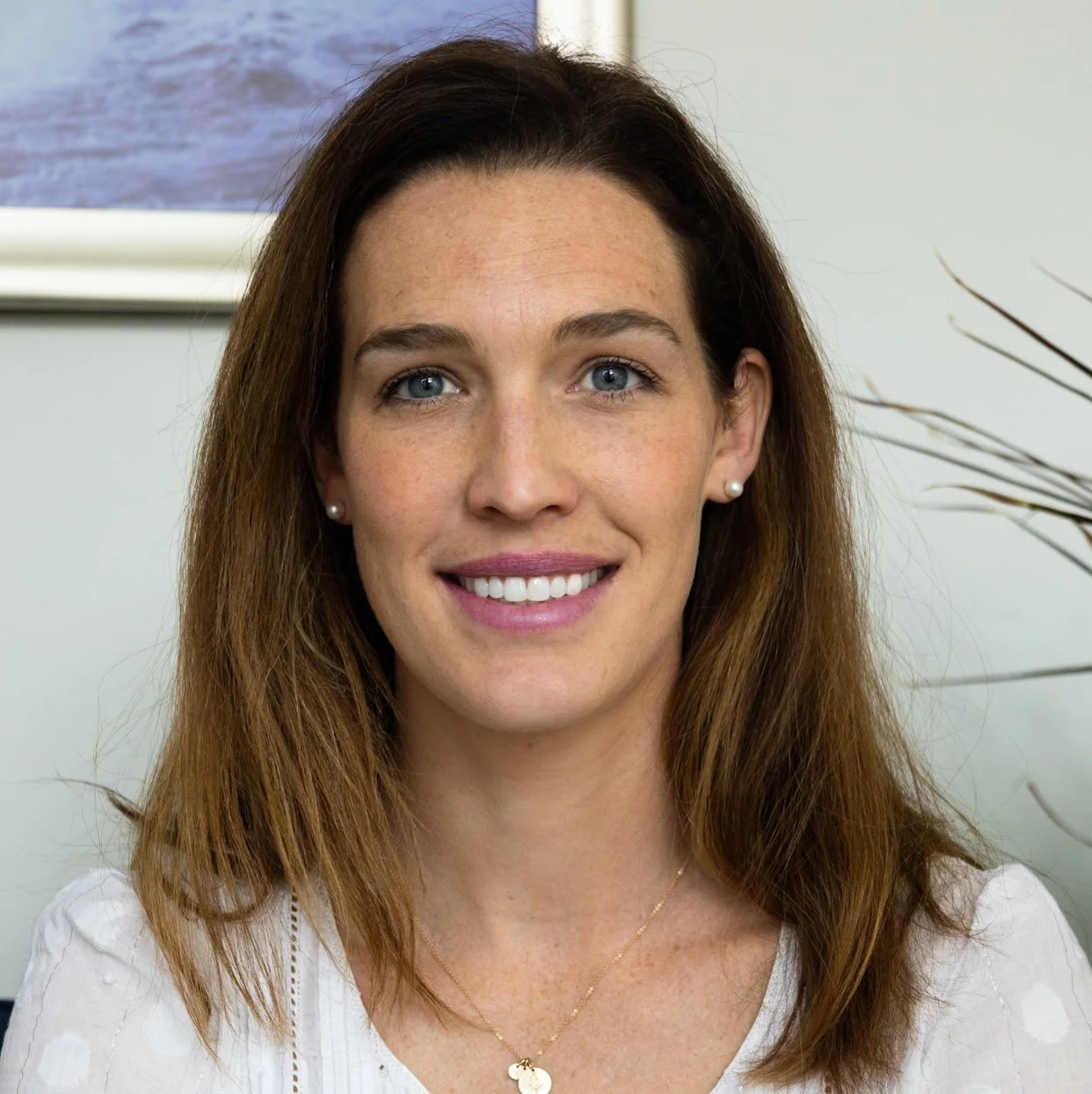
Samantha New
-
Before starting her work with families seeking educational planning from around the country and abroad, Samantha served as an occupational therapist in several settings. She specialized in working with teenagers and young adults with brain injuries and/or paralysis and related neurological dysfunction at Craig Hospital, a world renowned rehabilitation hospital and research center, in Englewood, Colorado. Prior to her work at Craig, Sam was an OT practitioner at St. David’s Rehabilitation Hospital and KidsWork Therapy Services, both in Austin, Texas, where, as a bilingual speaker of English and Spanish, she treated patients from young children to young adults facing a wide range of challenges. Sam has also worked tutoring middle school students with learning challenges, creating classroom behavioral plans for students with emotional and behavioral struggles, and providing therapeutic horseback riding instruction to students with learning and developmental disabilities such as ADHD and autism spectrum disorder. In addition, she served as a clinical manager of an outpatient brain injury clinic serving young adults focused on returning to school following post-concussion syndrome or brain injury. Her extensive training and experience in working with young people with sensory integration deficits, autism spectrum disorder, developmental delay, traumatic brain injury, post-concussion syndrome, and learning and intellectual disabilities makes her uniquely qualified to lead students facing these challenges through the therapeutic, college, and school planning processes.
Sam earned a dual bachelor’s of science in psychology and bachelor’s of arts degree in Spanish from Tulane University. She then completed her master’s degree in occupational therapy at Louisiana State University. Throughout her education and career, Sam has remained committed to and active in community service. She has devoted her time to suicide prevention, children experiencing loss and grief, disabled athletes and veterans, and youth sports for students with autism spectrum disorder.
-
Title: Post‑Secondary Planning for Neurodivergent Teens and Young Adults: Applying Clinical Executive Function Techniques to College, Career, and Independent Living
Description: Neurodivergent teens and young adults often face a double transition: adapting to new academic and social demands while simultaneously managing increased expectations for independence and self‑management. Executive function (EF) challenges underpin many of the difficulties seen in post‑secondary settings, including missed deadlines, inconsistent class or job attendance, breakdowns in self‑care, and vulnerability to anxiety and depression when structure drops away. Traditional college and career planning conversations frequently overlook the need to explicitly teach and scaffold EF skills, leaving families and students with plans that look good on paper but are not realistically actionable.
This session will present a neurodiversity‑affirming, clinically informed framework for post‑secondary planning that centers executive function as a primary treatment target. Drawing on clinical techniques from cognitive‑behavioral therapy, occupational therapy, and coaching, the presenters will demonstrate how to translate assessment findings into concrete supports across college, vocational training, and early employment contexts. Participants will learn how to integrate EF‑focused interventions—such as environmental modification, task‑chunking, externalization of time and tasks, and collaborative problem‑solving—into their existing work with neurodivergent youth and families.
Through case vignettes and brief practice activities, attendees will examine common failure points in transitions (e.g., registration and disability services, managing unstructured time, coordinating healthcare, navigating executive‑function‑heavy tasks like multi‑step assignments) and rehearse language and tools they can use immediately in sessions. Emphasis will be placed on aligning plans with the young person’s goals and identity, balancing autonomy and support, and building cross‑system collaboration with schools, disability offices, and employers.
Dr. Nadrat Nuhu
-
Dr. Nadrat Nuhu is the Clinical Director of Wisteria Psychological and Behavioral Services, where she leads the delivery of comprehensive diagnostic and therapeutic care to individuals and families facing a wide range of behavioral health concerns. Specializing in the assessment and treatment of complex behavioral challenges in children and young adults, Dr. Nuhu utilizes a behavior-analytic approach to create personalized, evidence-based interventions that drive lasting change. She is dedicated to advancing treatment practices and empowering families to navigate the complexities of behavioral health. Additionally, Dr. Nuhu serves on the board of the Atlanta Autism Consortium, an organization focused on enhancing collaboration within the autism community.
-
Title: Caregiver wellbeing and treatment adherence: Impact of complex challenging behavior exhibited by individuals with autism
Description: Individuals diagnosed with autism spectrum disorder (ASD) may require intervention for
complex challenging behaviors that interfere with their daily functioning. Beyond their
impact on the individual, these behaviors can also adversely affect family members,
contributing to stress and disruption within the community. In clinical contexts, attention
is often directed toward the physical safety and environmental risks associated with
challenging behavior, while the emotional wellbeing of caregivers is less frequently
examined. This presentation explores the relationship between complex challenging
behavior exhibited by individuals with ASD, caregiver mental wellbeing, and family
adherence to behavioral recommendations, emphasizing the role of caregiver emotional
health in treatment implementation and outcomes.
Rick Pollard Ph.D.
-
Rick Pollard, Ph.D., is a seasoned educator and therapeutic professional consultant with a deep commitment to guiding individuals and families through complex transitions. With a Master’s in Educational Leadership in Independent and Charter Schools and a Doctorate in Higher Education and Higher Education Administration, he brings a unique blend of academic expertise, program leadership, and relational insight to his work.
Throughout his career, Dr. Pollard has been a driving force in bridging the gap between educational and therapeutic frameworks. His expertise spans strategic program development, family systems navigation, and interdisciplinary collaboration, ensuring that individuals receive integrated, holistic support. He has long been a dedicated advocate for LGBTQIA+ students and their families, working diligently to create inclusive, affirming environments where they feel seen, supported, and empowered to thrive. His deep commitment to this work reflects not only his expertise but also his core belief in the importance of belonging and access to meaningful support.
Rick’s leadership is marked by a steadfast commitment to fostering accountability, inclusivity, and sustainable change. Whether guiding families through critical decision-making or supporting professionals in aligning best practices, he prioritizes authentic connection and data-driven solutions. His approach is both strategic and deeply human—grounded in research yet centered on the lived experiences of those he serves.
-
Title: Emotional Quotient (EQ) Unlocked: The Skills Behind Success
Description: Emotional intelligence is a critical set of abilities that shape how students interpret experiences, regulate behavior, connect with others, and navigate stress—yet it is often overlooked in traditional views of intelligence. This session presents a clear EQ framework, research, and practical tools for integrating emotional skills into student support. Attendees will leave with a holistic, actionable framework for seeing students more clearly—beyond labels, pathology, and IQ.

Emily Raclaw
-
Emily Raclaw is the Director of On Your Marq, a comprehensive college success program for neurodivergent students at Marquette University. With nearly 20 years of experience in disability education and support services, she brings deep expertise in neurodiversity, executive functioning, mental health, and inclusive program design. As a neurodivergent and disabled professional, Emily is passionate about reframing disability as a valued part of the human experience and leads a dynamic, interdisciplinary team that supports students through mental health counseling, executive functioning coaching, peer mentoring, independent living, and academic skill-building from college transition to graduation. A nationally recognized speaker and trainer, she has presented across the country on neuroinclusive higher education, disability identity, and creating systems of support that empower rather than pathologize, with a focus on belonging and sustainability for disabled individuals in academic and professional spaces.
-
Title: Building Neuroinclusive Spaces and Bolstering Success on a College Campus and Beyond
Description: Once students identify a college and get accepted, then what? This session examines what to look for in a college support program and how to identify goodness of fit for specialized programs across the country. We will explore different post-secondary program models and examine opportunities beyond academics that promote holistic growth and inclusive approaches to career readiness.

Katie Rienstra, LCSW
-
Katie Rienstra, LCSW, Director of Summer Enrollment at The Oxford Academy. She is formally certified in the EQ-i 2.0 and EQ 360 assessments and integrates these evidence-based tools into her work with students, families, and professional teams. Additionally she currently runs a clinically based executive coaching and professional development practice, partnering with organizations to strengthen communication, teamwork, and leadership capacity. With a background as Executive Director and Clinical Director, Katie has extensive experience leading programs, mentoring staff, and supporting young people and their families through complex developmental and therapeutic challenges.
-
Title: Emotional Quotient (EQ) Unlocked: The Skills Behind Success
Description: Emotional intelligence is a critical set of abilities that shape how students interpret experiences, regulate behavior, connect with others, and navigate stress—yet it is often overlooked in traditional views of intelligence. This session presents a clear EQ framework, research, and practical tools for integrating emotional skills into student support. Attendees will leave with a holistic, actionable framework for seeing students more clearly—beyond labels, pathology, and IQ.
Kay Rodgers, M.S.
-
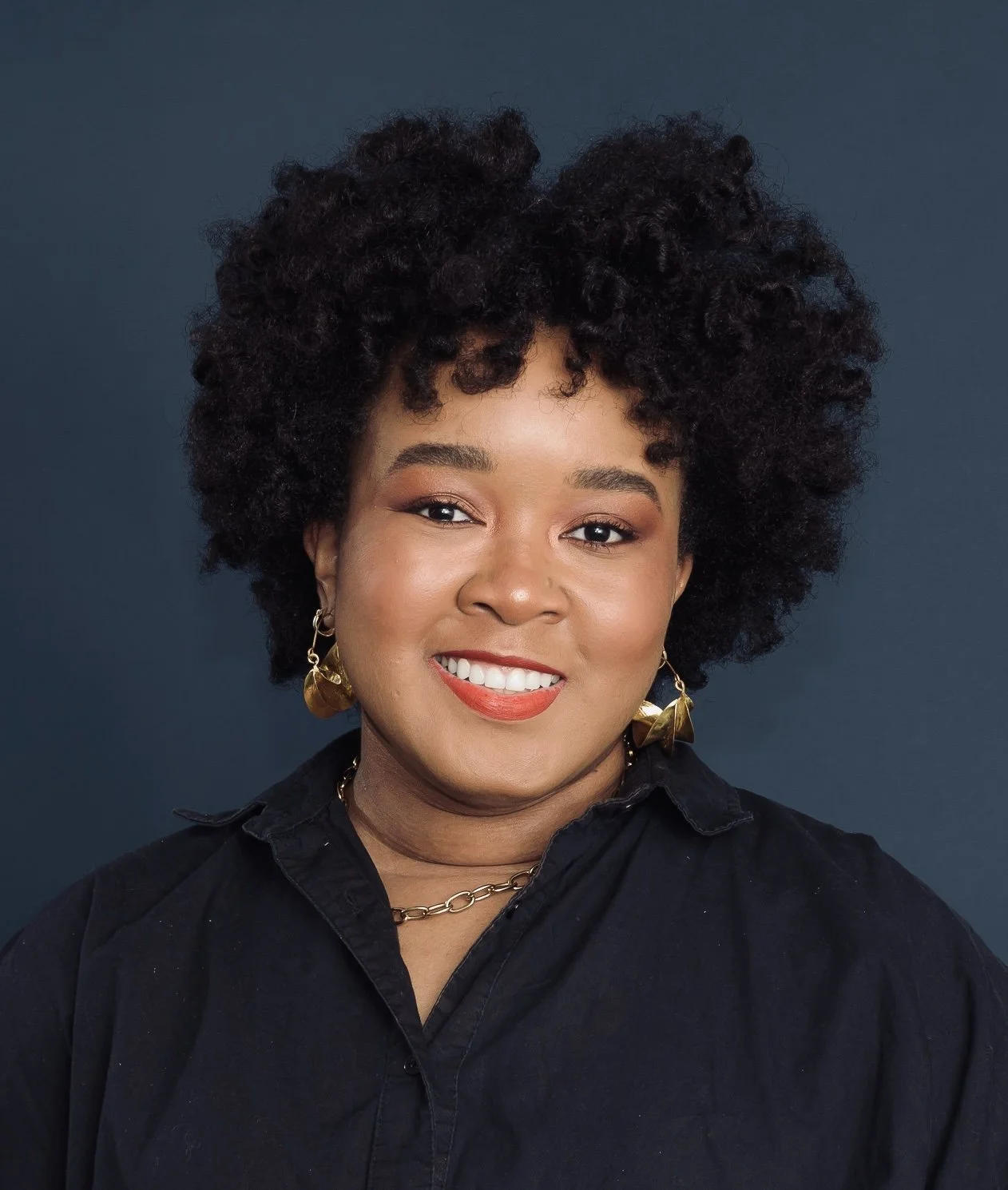
Charis “Kay” Rodgers, M.S. (she/her), is a fourth-year doctoral candidate in the Clinical Psychology (Psy.D.) program at Mercer University. As a Black neurodivergent clinician, she is deeply committed to identity-affirming, inclusive mental healthcare and adopts a neuroaffirming, person-centered approach in her work. Kay has over five years of experience working with neurodivergent individuals across the lifespan in research, assessment, and therapeutic settings. Her clinical and scholarly interests focus on the intersections of neurodivergence, self-esteem, racial and cultural identity, and mental health, with a particular emphasis on challenging stigma and promoting self-acceptance. Kay also explores the relationship between creative self-expression and psychological well-being, drawing on her interests in fashion psychology and the role of personal style in identity development. In addition to her clinical and scholarly work, she is an experienced digital creator who develops multimedia content for psychologists and health professionals, blending storytelling, psychology, and design to amplify neurodivergent and culturally diverse voices.
-
Title: Beyond the "Average" Autistic Person: Using Machine Learning to Map Individualized Pathways from Sensory Processing and Uncertainty to Anxiety
Description: Research has consistently demonstrated that atypical sensory processing and intolerance of uncertainty (IU) are central mechanisms driving anxiety in autism. However, traditional research approaches examining group averages have obscured critical individual differences—essentially creating interventions for a mythical "average" autistic person who doesn't actually exist. This presentation bridges established theory with innovative methodology to reveal how these transdiagnostic processes cluster in meaningful ways that can directly inform personalized treatment planning.
Our foundational work has shown that sensory sensitivities and difficulty tolerating uncertainty don't operate in isolation—they interact with executive functioning, emotion regulation, alexithymia, and camouflaging behaviors to create complex vulnerability profiles. The question facing clinicians isn't simply whether these factors matter, but rather: Which specific constellation of factors is most relevant for this individual client?
To answer this question, we partnered with Australian clinical researchers and machine learning researchers to analyze data from 811 autistic adults (ages 18-73) who completed comprehensive assessments spanning transdiagnostic processes, autistic traits, and mental health outcomes. Using sophisticated statistical tools, we identified eight distinct subgroups characterized by different combinations of sensory sensitivity, IU, executive functioning, emotion regulation, alexithymia, resilience, camouflaging, and repetitive behaviors.
The results challenge any notion of autism as a monolithic experience. We identified three broad vulnerability profiles: Low-distress clusters (25% of sample) showed lower camouflaging and sensory sensitivity paired with higher resilience, resulting in better mental health outcomes across the board. High-distress clusters (31%) exhibited elevated camouflaging, sensory sensitivity, alexithymia, and IU, alongside significantly higher anxiety, depression, and autistic burnout. Most intriguingly, moderate-distress clusters (44%) demonstrated multiple pathways to vulnerability—high camouflaging combined with variable patterns in emotional processing and sensory experiences.
The clinical implications are profound. Rather than applying one-size-fits-all interventions, these profiles enable clinicians to identify which transdiagnostic processes deserve primary focus for each individual. For someone in a high-distress cluster, simultaneously addressing IU and sensory sensitivities may be critical. For others in moderate-distress pathways, reducing camouflaging demands or building emotion regulation skills might be more impactful. This approach is therapeutic-orientation agnostic—whether using CBT, acceptance-based approaches, occupational therapy, or integrative models, these profiles help clinicians identify the most relevant treatment targets.
Attendees will leave with concrete tools for moving beyond standardized protocols toward truly individualized, mechanistically-informed intervention that respects diversity within the autistic community.
Dr. Jessica Romeyn
-
Dr. Jessica Romeyn has more than two decades of expertise in educating and treating individuals with and without special needs across their lifespan. She is passionate about working with and supporting emerging adults during challenging transitions. Her breadth and depth of experience has helped her to develop the core belief that all individuals require individual and unique consideration, and there is no “one size fits all” approach to therapeutic intervention.
Jessica is known for her comprehensive and relatable style and is dedicated to working with students and parents in the creation of customized treatment plans that offer appropriate clinical care. She consistently visits new programs, attends professional conferences, and is well educated in the community-based resources located in and around the greater Los Angeles area.
Jessica offers a personalized approach tailored to her clients’ individual needs. With offices in Park City, Los Angeles, and Austin she also regularly works with families across the country.
-
Title: When the Diagnosis Comes Late: Shifting Identity, Attunement, and Family Dynamics
Description: Many adolescents entering care have received their Autism diagnosis recently, often within the last year. Parents often approach us with confusion and sadness, reflecting that their teen had not displayed significant challenges throughout their childhood and that only now, “looking back”, can they see signs of ASD symptoms from their child. Not having the knowledge of their neurodiversity until their teen years causes clinically significant challenges for teens and their families such as school avoidance, social withdrawal, family conflict, depression, and anxiety. These adolescents frequently have similarities in their profiles and in their experiences. These teens are extremely intelligent, have adapted to multiple life challenges through masking, find themselves stuck in a burnout cycle, struggle to make and keep friends, and have a very low sense of self-worth. Parents are often in a space of exhaustion, grief, resentment, or depression.
Late diagnosis of ASD impacts the teen and the entire family system drastically. Teens are wrestling with identity, agency, and belonging while parents work through grief about “missed” development and revise their entire narrative of their child. The family system is reorganizing around new language, new expectations, and new meaning-making. As each person in the family looks back, we begin to identify experiences the teen coded as trauma from not having skills to manage their hypersensitivities, attempting to navigate the demands of a neurotypical classroom, and deeply entrenched experiences of invalidation or missed attunement. Our work is rooted in supporting these families in identifying new ways to support one another and find a new narrative for the family system. Through dedicated case planning, we support adolescents in developing insight, reducing shame, increasing agency, developing communication skills, and improving the attunement between parent and teen.
This presentation explores what shifts clinically when autism is identified in adolescence, and how this late diagnosis reorganizes the family system. Attendees will gain knowledge of the specific vulnerabilities that undiagnosed teens experience and the key neurodevelopmental factors that interfere with their ability to participate in their lives and cause disruption within the family. The presentation also addresses how family therapy is used as a critical intervention to support the teen in developing communication and ToM skills, and for the parents to attune more accurately, interrupt escalation cycles, and rebuild relational trust.
Steve Roth, LCSW, NASM- CPT/CNC
-
Steve is a Licensed Clinical Social Worker and the founder of Functionally Integrative Therapy, a private practice designed to bridge the gap between mental and physical health. His unique approach combines traditional evidence-based psychotherapy, with the integration of movement/exercise, and nutritional guidance to create holistic paths to healing.
With over a decade of clinical experience in residential, transitional, and wilderness therapy settings, Steve specializes in addressing complex challenges such as trauma, anxiety, addiction, personality disorders, and autism. He holds a Master’s in Social Work from the University of Tel-Aviv and draws on a rich multicultural background that includes teaching in South Korea and crisis intervention work with asylum seekers.
Steve is also a certified personal trainer and nutrition coach, credentials he uses to empower clients to build resilience through physical well-being. Outside of his practice, he applies that same determination to his own life as an avid rock climber and ultra-marathon runner, enjoying the outdoors with his wife and dogs.
-
Title: The Integration Advantage: Transforming Autism Care Through Movement and Nutrition
Description: Autism spectrum disorder (ASD) often co-occurs with depression, anxiety, and other mental health challenges in adolescents and young adults. Emerging research highlights that lifestyle interventions—specifically regular physical activity and a nutrient-rich whole-foods diet—can significantly support psychological well-being and brain health in this population. Exercise programs (e.g., aerobic, strength, yoga or dance-based activities) have been shown to improve motor skills, cognitive function, social skills and even measurable brain function in youth/adults with ASD. Neurologically, physical activity boosts neuroplasticity: it increases levels of brain-derived neurotrophic factor (BDNF), promotes synaptogenesis, and may normalize gut–brain signaling and reduce neuroinflammation, all of which can ameliorate ASD symptoms. Similarly, proper nutrition—emphasizing a balanced diet of whole foods—is critical to mental health and nervous system regulation. Many individuals with ASD have selective eating patterns that cause vitamin/mineral deficiencies; these nutrient gaps can worsen mood and anxiety by impairing neurotransmitter pathways (e.g., B-vitamins for serotonin synthesis). Ensuring adequate nutrition helps stabilize mood, supports normal brain development, and can mitigate gastrointestinal issues linked to behavior. While exercise and nutrition interventions provide clear benefits across all populations, research shows they have uniquely positive influences on neurodivergent individuals, including those with ASD. The regulatory effects of these interventions are particularly well-suited to the distinct nervous system characteristics of the ASD population.
In behavioral health practice, integrating movement and nutrition alongside traditional therapies can enhance outcomes. A holistic intervention model (combining exercise, diet, and sleep hygiene) has been advocated to target core ASD symptoms and co-occurring mental health issues. For example, occupational and behavioral therapists can incorporate structured physical activities or yoga into sessions to improve sensory regulation and self-esteem. Psychologists can reinforce healthy lifestyle goals (e.g., family-based meal planning, daily activity routines) as part of therapeutic plans. When exercise and dietary guidance are woven into treatment (with coordination between therapists, dietitians, and families), adolescents with ASD often experience reduced anxiety and better emotional stability. This session will review current evidence on how movement and whole-food nutrition benefit the autistic brain, and will outline practical strategies for clinicians to integrate these interventions into therapy.

Amy Rutherford
-
Amy is the director of College Autism Spectrum and a consultant for College Autism Summit. She was also the director of the Mosaic Program at the University of Tennessee at Chattanooga and worked with students there for nearly 2 decades. Amy co-authored The BASICS College Curriculum (a four-book series) which developed a curriculum for autistic college students as they transition into and out of higher education. Her research focuses on autism and neurodiversity in higher education and mental health services, universal design, and leadership studies. Amy is a Licensed Professional Counselor serving the greater Chattanooga area. At her core, she loves creating inclusive environments, equitable experiences and serving others as a neurodivergent advocate.
-
Title: Building Neuroinclusive Spaces and Bolstering Success on a College Campus and Beyond
Description: Once students identify a college and get accepted, then what? This session examines what to look for in a college support program and how to identify goodness of fit for specialized programs across the country. We will explore different post-secondary program models and examine opportunities beyond academics that promote holistic growth and inclusive approaches to career readiness.
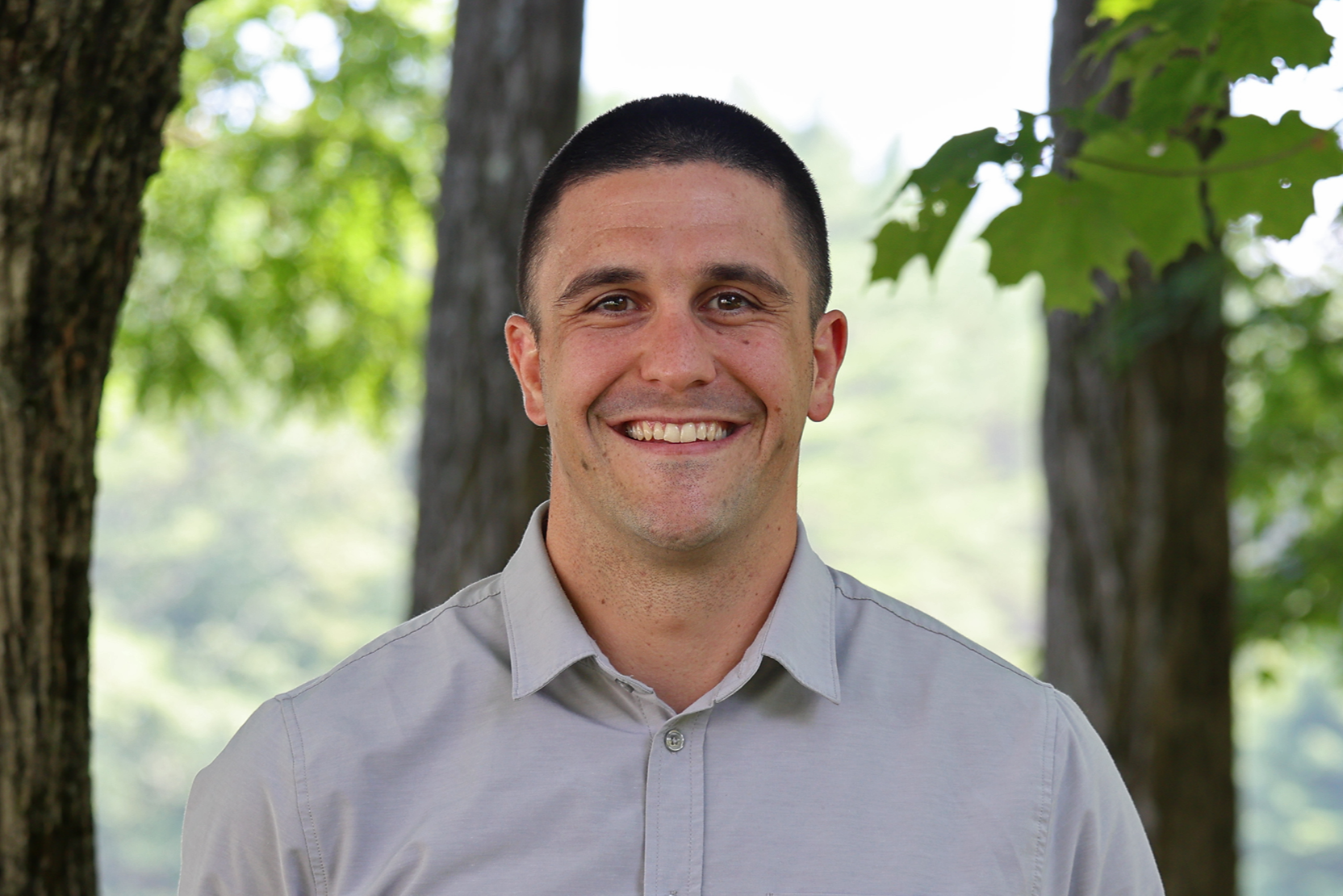
Zachary Schafer, OT
-
Zachary Schafer is a Occupational Therapist (OT) who is has been working in mental and behavioral health since 2018. In 2021 he was hired by Mountain Valley Treatment Center, an anxiety and OCD specific program, to use his expertise as an OT to help the program adapt their treatment for autistic and neurodivergent individuals. Since 2021, Zack's role as Mountain Valley has grown, taking on a variety of leadership roles within the program. He now serves as the Executive Director of Mountain Valley, overseeing all the programs therapeutic operations.
-
Title: Bridging Neuroscience and Practice: Supporting Adolescents with Sensory Processing Challenges
Description: Compared to pediatric populations, research and practice guidelines for sensory processing challenges in adolescents are limited in quantity and methodological rigor. A common narrative suggests that because the brain is most “plastic” in early childhood, less emphasis should be placed on sensory-based interventions for adolescents. However, modern neuroscience indicates that neuroplasticity and sensory regulation remain possible throughout adolescence, especially when interventions are goal-directed and contextually meaningful.
With a clear gap in assessment and intervention strategies for adolescent sensory processing, and an increasing number of teens struggling with these challenges, professionals need practical guidance on how to apply current knowledge effectively. This presentation will review contemporary literature on neuroplasticity and sensory processing, provide real-world examples from everyday practice, and equip attendees with tools and strategies to support adolescents in achieving improved regulation, participation, and a greater sense of independence.
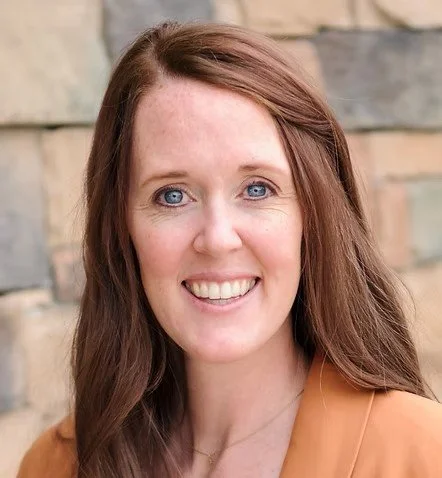
Elicia Schwendiman
-
Elicia has served in numerous positions within neurodiverse treatment and is currently the Executive Director at Spark Homestead. Her passion for developing effective programming for neurodiverse individuals is seen in the quality of her care.
-
Title: When Talk Gets in the Way: Bypassing Rigidity in Neurodiverse Clients with Accelerated Response Therapy
Description:
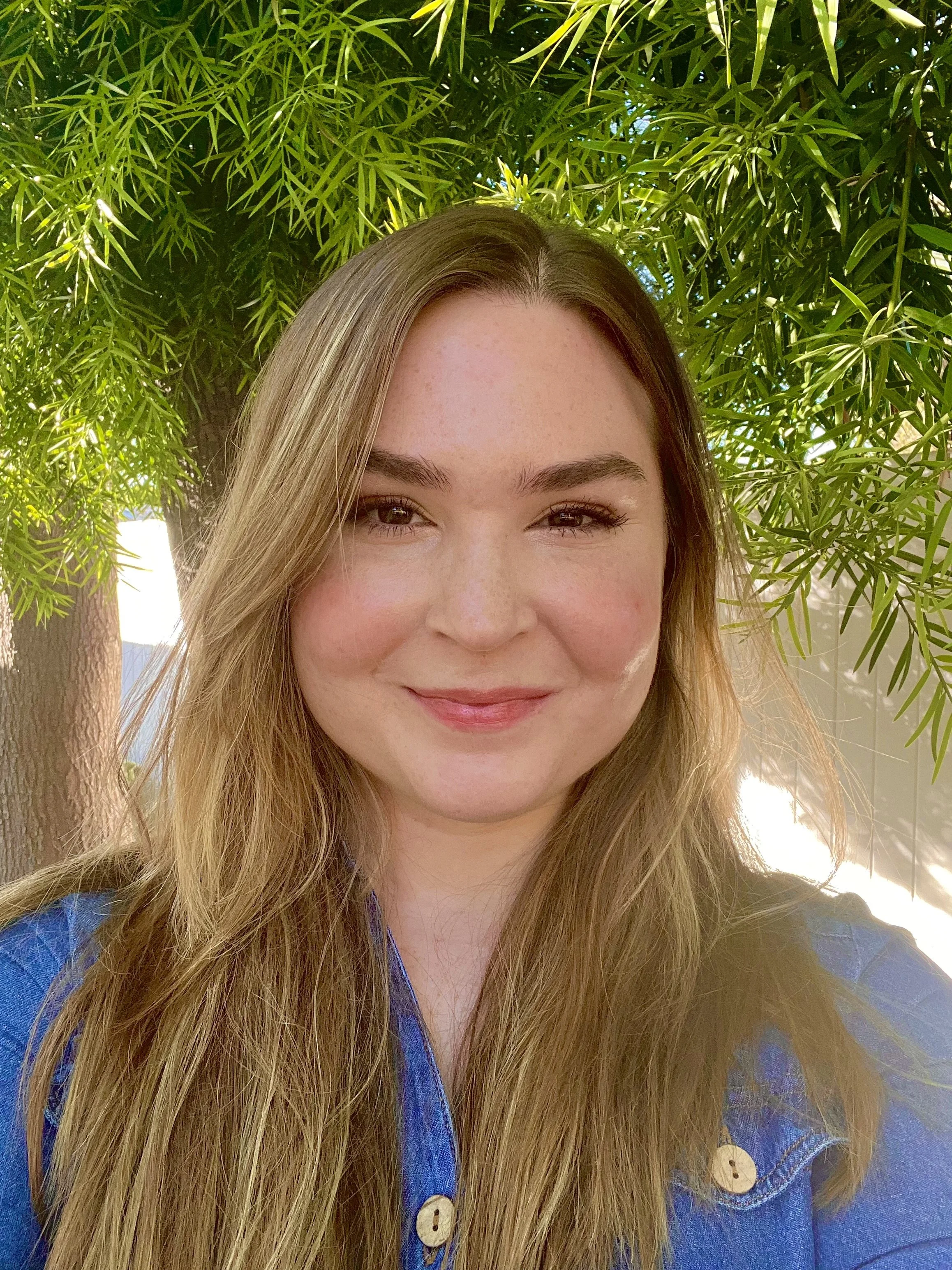
Mauri Sorensen, LMFT
-
Mauri Sorensen, LMFT is a Clinical Director at Haven House, where she specializes in supporting adolescents and their families through challenges related to navigating neurodiversity. She holds a Master’s Degree in Marriage and Family Therapy from Phillips Graduate Institute, where she graduated Summa cum Laude. With a background in trauma-informed care, DBT, and family systems therapy, Mauri is passionate about empowering clients to develop effective communication, self-awareness, and resilience. She believes in the strength and adaptability of family systems and the importance of creating a safe, authentic space where individuals feel seen, heard, and valued. Mauri is a certified PEERS instructor and is currently completing training to be a Certified Autism Clinical Specialist.
-
Title: When the Diagnosis Comes Late: Shifting Identity, Attunement, and Family Dynamics
Description: Many adolescents entering care have received their Autism diagnosis recently, often within the last year. Parents often approach us with confusion and sadness, reflecting that their teen had not displayed significant challenges throughout their childhood and that only now, “looking back”, can they see signs of ASD symptoms from their child. Not having the knowledge of their neurodiversity until their teen years causes clinically significant challenges for teens and their families such as school avoidance, social withdrawal, family conflict, depression, and anxiety. These adolescents frequently have similarities in their profiles and in their experiences. These teens are extremely intelligent, have adapted to multiple life challenges through masking, find themselves stuck in a burnout cycle, struggle to make and keep friends, and have a very low sense of self-worth. Parents are often in a space of exhaustion, grief, resentment, or depression.
Late diagnosis of ASD impacts the teen and the entire family system drastically. Teens are wrestling with identity, agency, and belonging while parents work through grief about “missed” development and revise their entire narrative of their child. The family system is reorganizing around new language, new expectations, and new meaning-making. As each person in the family looks back, we begin to identify experiences the teen coded as trauma from not having skills to manage their hypersensitivities, attempting to navigate the demands of a neurotypical classroom, and deeply entrenched experiences of invalidation or missed attunement. Our work is rooted in supporting these families in identifying new ways to support one another and find a new narrative for the family system. Through dedicated case planning, we support adolescents in developing insight, reducing shame, increasing agency, developing communication skills, and improving the attunement between parent and teen.
This presentation explores what shifts clinically when autism is identified in adolescence, and how this late diagnosis reorganizes the family system. Attendees will gain knowledge of the specific vulnerabilities that undiagnosed teens experience and the key neurodevelopmental factors that interfere with their ability to participate in their lives and cause disruption within the family. The presentation also addresses how family therapy is used as a critical intervention to support the teen in developing communication and ToM skills, and for the parents to attune more accurately, interrupt escalation cycles, and rebuild relational trust.
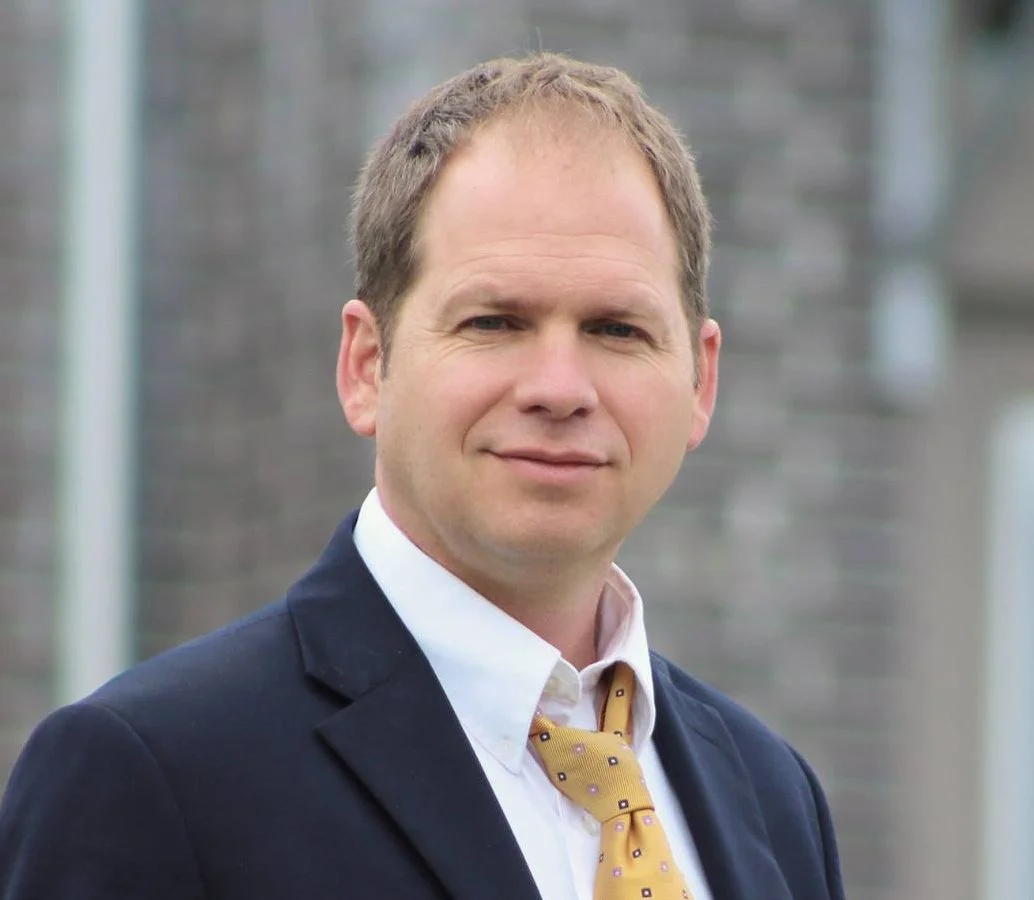
Mikle South, Ph.D.
-
Mikle South, PhD is Director of Emory Autism Center in the Emory University School of Medicine in Atlanta. Dr. South’s education includes a bachelor’s degree in psychology from Yale University, a PhD in child clinical psychology from the University of Utah with Dr. Sally Ozonoff, and post-doctoral training at the Yale Child Study Center with Dr. Bob Schultz. His research focuses on factors that contribute to co-occurring mental health conditions with autism including anxiety, depression, and suicidal thoughts and behaviors. His research group is also interested in exploring how autistic people experience identity. Clinically, Dr. South has extensive experience in late diagnosis of autism with an emphasis on listening and respecting client perspectives. He enjoys hiking with his wife, British police procedurals on tv, and eating proper pizza.
-
Title: Beyond the "Average" Autistic Person: Using Machine Learning to Map Individualized Pathways from Sensory Processing and Uncertainty to Anxiety
Description: Research has consistently demonstrated that atypical sensory processing and intolerance of uncertainty (IU) are central mechanisms driving anxiety in autism. However, traditional research approaches examining group averages have obscured critical individual differences—essentially creating interventions for a mythical "average" autistic person who doesn't actually exist. This presentation bridges established theory with innovative methodology to reveal how these transdiagnostic processes cluster in meaningful ways that can directly inform personalized treatment planning.
Our foundational work has shown that sensory sensitivities and difficulty tolerating uncertainty don't operate in isolation—they interact with executive functioning, emotion regulation, alexithymia, and camouflaging behaviors to create complex vulnerability profiles. The question facing clinicians isn't simply whether these factors matter, but rather: Which specific constellation of factors is most relevant for this individual client?
To answer this question, we partnered with Australian clinical researchers and machine learning researchers to analyze data from 811 autistic adults (ages 18-73) who completed comprehensive assessments spanning transdiagnostic processes, autistic traits, and mental health outcomes. Using sophisticated statistical tools, we identified eight distinct subgroups characterized by different combinations of sensory sensitivity, IU, executive functioning, emotion regulation, alexithymia, resilience, camouflaging, and repetitive behaviors.
The results challenge any notion of autism as a monolithic experience. We identified three broad vulnerability profiles: Low-distress clusters (25% of sample) showed lower camouflaging and sensory sensitivity paired with higher resilience, resulting in better mental health outcomes across the board. High-distress clusters (31%) exhibited elevated camouflaging, sensory sensitivity, alexithymia, and IU, alongside significantly higher anxiety, depression, and autistic burnout. Most intriguingly, moderate-distress clusters (44%) demonstrated multiple pathways to vulnerability—high camouflaging combined with variable patterns in emotional processing and sensory experiences.
The clinical implications are profound. Rather than applying one-size-fits-all interventions, these profiles enable clinicians to identify which transdiagnostic processes deserve primary focus for each individual. For someone in a high-distress cluster, simultaneously addressing IU and sensory sensitivities may be critical. For others in moderate-distress pathways, reducing camouflaging demands or building emotion regulation skills might be more impactful. This approach is therapeutic-orientation agnostic—whether using CBT, acceptance-based approaches, occupational therapy, or integrative models, these profiles help clinicians identify the most relevant treatment targets.
Attendees will leave with concrete tools for moving beyond standardized protocols toward truly individualized, mechanistically-informed intervention that respects diversity within the autistic community.
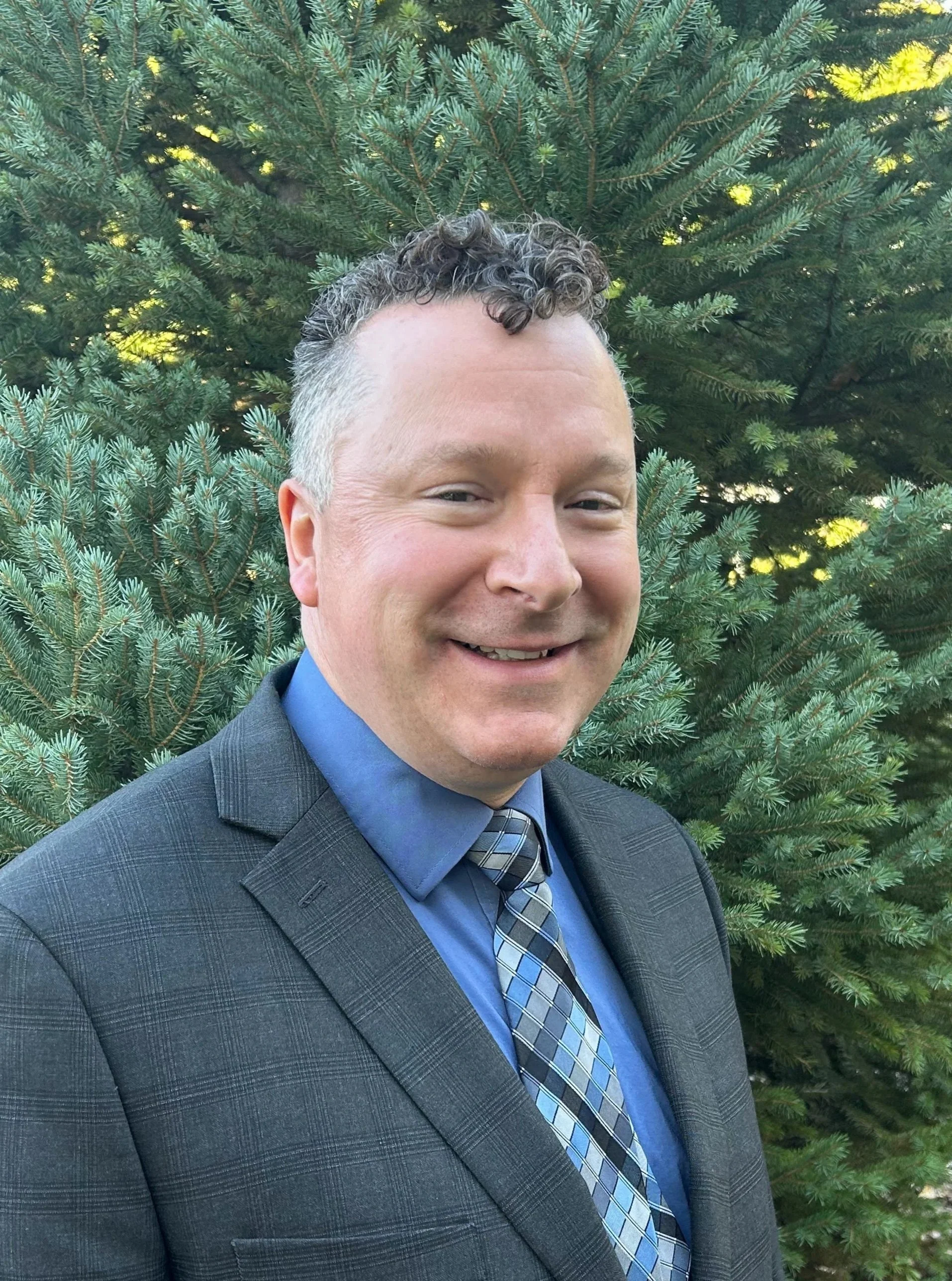
Jared Stewart, M.Ed., BCBA, LBA
-
Jared Stewart, M.Ed., BCBA, LBA, was named the 2011 Educator of the Year by the National Association of Private Special Education Centers, the 2018 Presenter of the Year by the National Association of Therapeutic Schools and Programs, and the 2020 Hero for Autism by the Autism Resources of Utah County Council. As a Program Director for Provo Utah’s ScenicView Academy— a transitional school for neurodiverse adults targeting functional independence— he teaches his students to recognize and embrace the strengths of their diagnoses while they strive to maximize their potential for success. As an adjunct professor at Utah Valley University, he helps run their annual Conference on Autism and assists with the Melisa Nellesen Center’s Passages Program as a life-skills instructor and curriculum developer. He is the former governor-appointed Chair of the Utah Developmental Disabilities Council and currently serves on several local and national advisory boards for autism and related conditions. Jared has spent over two decades working with neurodivergent adolescents and adults as a teacher, life coach, and licensed behavior analyst, and has shared his views on the techniques and mindsets that lead to improved outcomes for these individuals with audiences in over 20 countries. His passion for the subject arises from personal experience: he has numerous family members on the Spectrum, and he was diagnosed with autism himself as an adult.
-
Title: Understanding the ABA Controversy: History, Misconceptions, Ethical Evolution, and Implications for Autism Programs
Description: Applied Behavior Analysis (ABA) remains one of the most widely used and well-funded interventions for autistic individuals, yet it is also one of the most polarizing. This presentation provides a balanced, research-informed overview of the ABA controversy to help program directors and admissions leaders better understand the perspectives shaping today’s service landscape. We will explore the historical roots of ABA and how earlier practices contributed to mistrust among autistic adults, contrast traditional approaches with more modern assent-based and trauma-informed models, and examine where debate stems from data versus cultural narrative. The session will also highlight key critiques from the neurodiversity movement—including concerns about masking, compliance-based teaching, and autonomy—while also reviewing evidence for ABA’s effectiveness for certain goals and populations. The goal is not to promote or dismiss ABA, but to support informed, ethical decision-making by clarifying what ABA is, what it is not, and how programs can navigate these polarized perspectives while centering client well-being, respect, and neuroaffirming practice.
Dr. Joanna Tomaszewski
-
Joanna P. Tomaszewski, MD is an Assistant Professor of Psychiatry at the University of Utah and an inpatient Child and Adolescent Psychiatrist at Huntsman Mental Health Institute. She earned a Master’s degree in Biomedical Engineering before completing medical school at the University of Utah, where she also completed her Triple Board residency training in Pediatrics, Adult Psychiatry, and Child and Adolescent Psychiatry. She pursued Triple Board training out of a deep appreciation for the complex interplay between physical and mental health, with particular emphasis on child and adolescent development and developmental disorders.
Dr. Tomaszewski works with children and adolescents across a wide range of psychiatric presentations, including acute short-term crisis admissions and patients in the Comprehensive Assessment and Treatment Program, a six- to eight-week multidisciplinary program focused on diagnostic clarification and initiation of treatment. Her clinical interests include treatment-resistant and diagnostically complex disorders. She also has a strong interest in medical education and mentorship and, in her current role, works closely with learners at multiple training levels to provide education in child and adolescent psychiatry.
-
Title: We Were Sure. Then We Weren’t: Autism and Its Most Convincing Look-Alikes
Description: We Were Sure. Then We Weren’t: Autism and Its Most Convincing Look-Alikes is a case-based presentation examining how autism in pediatric populations is often obscured by psychiatric diagnoses and presentations that are clinically reasonable early on. Using longitudinal case vignettes, the presenters illustrate how autism may initially appear as bipolar disorder, borderline personality traits, ADHD, obsessive–compulsive disorder, or social anxiety, as well as through common diagnostic detours such as chronic irritability, demand avoidance, social withdrawal, high insight with low follow-through, and compliance followed by collapse. Rather than emphasizing diagnostic criteria, the session focuses on process—how time, treatment response, and interdisciplinary observation shape diagnostic clarity—highlighting the role of well-timed neuropsychological assessment, medication trials, psychotherapy, and real-world functioning across settings. Designed for an autism-informed audience, the presentation models diagnostic humility and collaborative formulation, emphasizing that changing one’s mind in response to accumulating data is a core clinical strength in complex pediatric assessment.
Helen Waldron, B.A., M.Ed
-
Helen Waldron, B.A., M.Ed., is the Director of Admissions and Financial Aid at The Oxford Academy. Helen is a well-respected educator and educational therapist with 25+ years of experience helping school-aged children become successful learners. She has an extensive background in boarding schools, admissions, curriculum development, and faculty coaching. Helen holds a Master’s Degree in Special Education and a Bachelors’s in Psychology which coincides with her longstanding passion for working with students of varying abilities and their families.
-
Title: Emotional Quotient (EQ) Unlocked: The Skills Behind Success
Description: Emotional intelligence is a critical set of abilities that shape how students interpret experiences, regulate behavior, connect with others, and navigate stress—yet it is often overlooked in traditional views of intelligence. This session presents a clear EQ framework, research, and practical tools for integrating emotional skills into student support. Attendees will leave with a holistic, actionable framework for seeing students more clearly—beyond labels, pathology, and IQ.
Neil Wallace
-
Neil is passionate about improving every facet of neurodiverse care. With over 15 years of neurodivergent care management, Neil has helped develop thousands of effective caregivers. He loves creating effective caregiving systems and witnessing the miracles of a life changed.
-
Title: When Talk Gets in the Way: Bypassing Rigidity in Neurodiverse Clients with Accelerated Response Therapy
Description:

Jake Weld, M.Ed.
-
Jake Weld, M.Ed. is an education leader with more than twenty-five years of experience designing and leading innovative academic and transitional programs for students and young adults with learning differences, including autistic and neurodivergent learners. He currently serves as Chief Strategy Officer at Mansfield Hall, where he partners with executive leadership to advance mission-driven growth and develop systems that support student success, independence, and post-secondary engagement. Over the course of his career, Jake has held leadership roles across traditional, therapeutic, and residential educational settings, bringing a strengths-based, developmentally informed approach to helping young people navigate college, work, and adult life. His work centers on creating environments where neurodiverse learners can build confidence, competence, and meaningful pathways forward.
-
Title: Preparing Neurodiverse Young People for Work and Purpose in the AI Era
Description: Young people today are entering adulthood amid unprecedented social and technological change. Artificial intelligence is rapidly transforming the nature of work, while parallel forces—climate instability, digital saturation, shifting labor markets, and global uncertainty—are reshaping how young people learn, adapt, and build meaningful lives. As Thomas Friedman describes, we are living in a Polycene era marked by overlapping and accelerating change. For neurodiverse young people, particularly those with autism, ADHD, and executive functioning differences, these conditions intensify existing challenges in the transition from high school or college into sustainable employment.
This presentation draws on research in neurodiverse learning, vocational development, and developmental neuroscience to explore how educators and mental health providers can better support neurodiverse young people entering the workforce. Emphasis is placed on experiential, hands-on learning environments that integrate applied skill development (including the trades and technical work) with explicit instruction in soft skills such as self-regulation, communication, collaboration, and adaptability. Through practical frameworks and program examples, participants will learn how to align vocational preparation with neurodiverse strengths, foster motivation and identity development, and help young people build purposeful, resilient relationships with work in an increasingly uncertain future.
Dr. Will White
-
Dr. Will White brings over 35 years of experience at the intersection of mental health, education, and experiential learning. A pioneer in nature and work based approaches to care, he co-founded Summit Achievement in 1996, a nationally recognized adolescent program integrating academics, therapy, and experiential education. That foundation now informs his work with The Trade, a young adult program designed to support neurodiverse learners through hands-on skill development, structure, and purpose. A licensed clinical social worker and coach, Will has worked across private practice, hospital, and educational settings, mentored clinicians and program leaders, and taught outdoor-based mental health treatment at Plymouth State University for over two decades. He is the author of Stories from the Field: A History of Wilderness Therapy and the host of the podcast Stories from the Field: Mental Health and the Outdoors, where he examines ethics, identity, and belonging in contemporary mental health care.
-
Title: Preparing Neurodiverse Young People for Work and Purpose in the AI Era
Description: Young people today are entering adulthood amid unprecedented social and technological change. Artificial intelligence is rapidly transforming the nature of work, while parallel forces—climate instability, digital saturation, shifting labor markets, and global uncertainty—are reshaping how young people learn, adapt, and build meaningful lives. As Thomas Friedman describes, we are living in a Polycene era marked by overlapping and accelerating change. For neurodiverse young people, particularly those with autism, ADHD, and executive functioning differences, these conditions intensify existing challenges in the transition from high school or college into sustainable employment.
This presentation draws on research in neurodiverse learning, vocational development, and developmental neuroscience to explore how educators and mental health providers can better support neurodiverse young people entering the workforce. Emphasis is placed on experiential, hands-on learning environments that integrate applied skill development (including the trades and technical work) with explicit instruction in soft skills such as self-regulation, communication, collaboration, and adaptability. Through practical frameworks and program examples, participants will learn how to align vocational preparation with neurodiverse strengths, foster motivation and identity development, and help young people build purposeful, resilient relationships with work in an increasingly uncertain future.
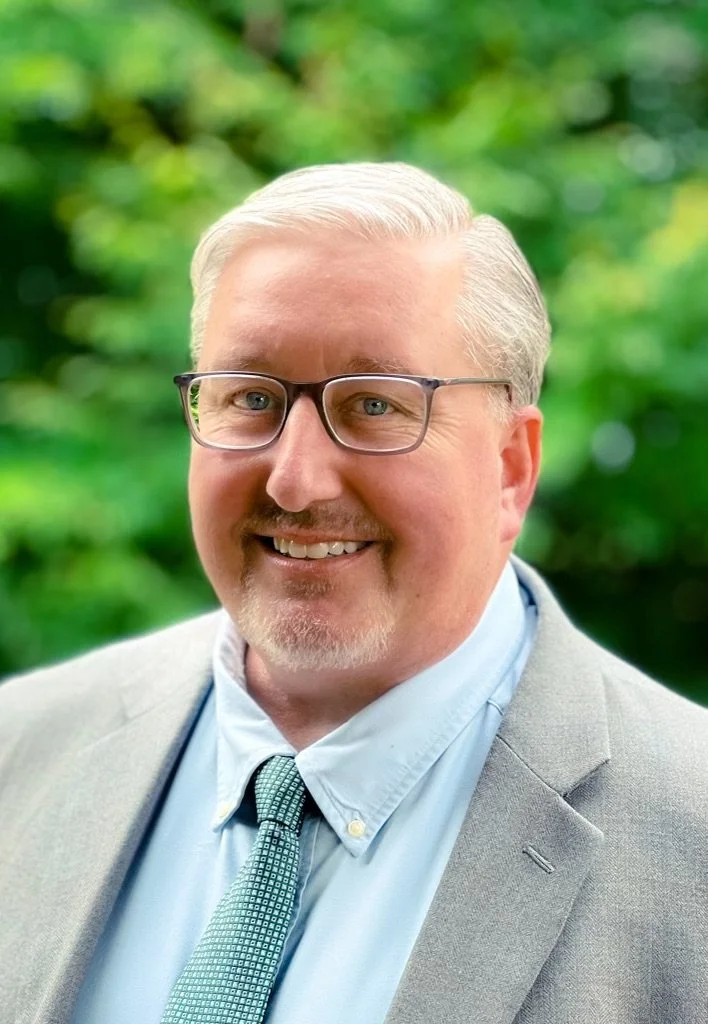
Dr. Tyler Whitney, Psy.D.
-
Dr. Whitney earned his Psy.D. in Clinical Psychology in 2001 from the Forest Institute of Professional Psychology and completed training at St. Charles Hospital and Rehabilitation Center, Henry Ford Health System, and The Connections Center, along with a LEND Fellowship year in 2010–11. With over 16 years of clinical experience, he specializes in supporting children, adolescents, and families coping with emotional, behavioral, autism, and developmental challenges, and has published research on helping families navigate medical and developmental differences. He is in private practice in the Atlanta area, lectures and consults nationally, serves on the board of the Atlanta Autism Consortium, and lives in Alpharetta, Georgia with his wife and children.
-
Title: Tweens, Teens, and Young Adults on the Autism Spectrum: A Guide to Safety and Spending Healthy Time on the Internet
Description: Autism spectrum disorders are developmental disorders. Individuals with autism spectrum disorders develop differently. These differences are usually present in social interaction, communication, and sensory processing, and become visible through a wide variety of behavioral responses that differ from individuals without autism spectrum disorders. Since behavioral addiction and ASD share common characteristics, individuals with ASD requiring level 1 support may be more vulnerable to behavioral addiction. Some typical behavioral addictions include compulsive internet use and gaming.
All adolescents and young adults are introduced to many things on the internet at an early age. Those gateways of exposure include easy access different lifestyles, deep involvement in gaming and other media, internet pornography, alcohol and drug use, sexual experiences at a young age, and the opinions of many individuals who are not of a similar mindset. This presentation offers young people, parents of young people, and young people with ASD, solid, accessible advice regarding the internet. The successful navigation and use of the internet for teenagers and young adults is brought into perspective by Tyler Whitney, PsyD, an expert clinician who has over two and a half decades of clinical experience and specializes in working with pre-adolescents, teenagers, and young adults, along with their families in setting up healthy, structure, guidelines, and boundaries that promote healthy development and skill set development.